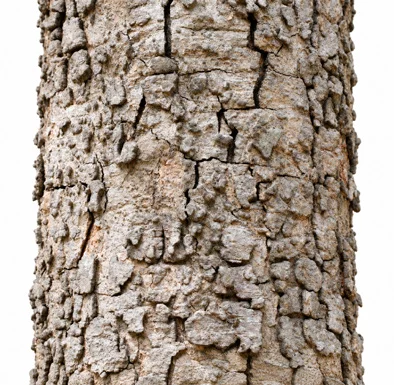
Bark
Rough, grey-brown bark that breaks into irregular flakes and deep fissures on older trunks, featuring a yellowish-brown inner blaze and massive, brittle limbs.

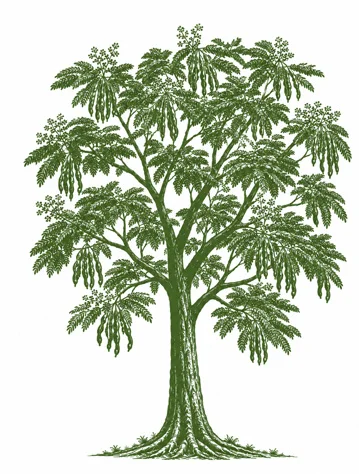
Syn. Albizia latifolia
Rough, grey-brown bark that breaks into irregular flakes and deep fissures on older trunks, featuring a yellowish-brown inner blaze and massive, brittle limbs.
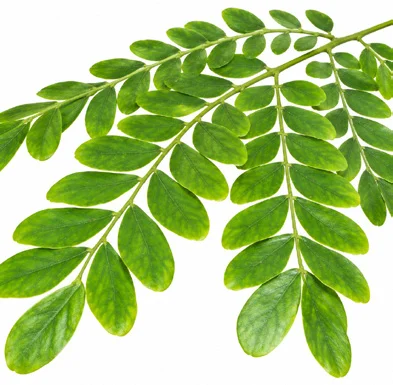
Bipinnately compound leaves (7.5–15 cm long) bearing 2 to 4 pairs of main pinnae, each carrying 6 to 18 pairs of opposite, oblong leaflets with large glands near the leaf-stalk base.
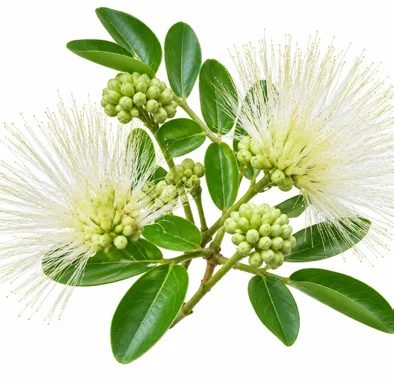
Highly fragrant, mimosa-like flower heads (5–6 cm wide) composed of fluffy, pale cream, greenish-yellow, or whitish stamens rising on long stalks.
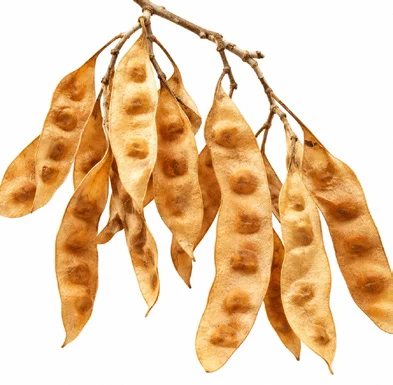
Flat, strap-shaped, straw-coloured pods (15–30 cm long) that remain paper-dry on bare winter branches, enclosing 6 to 12 flat, oval brown seeds.
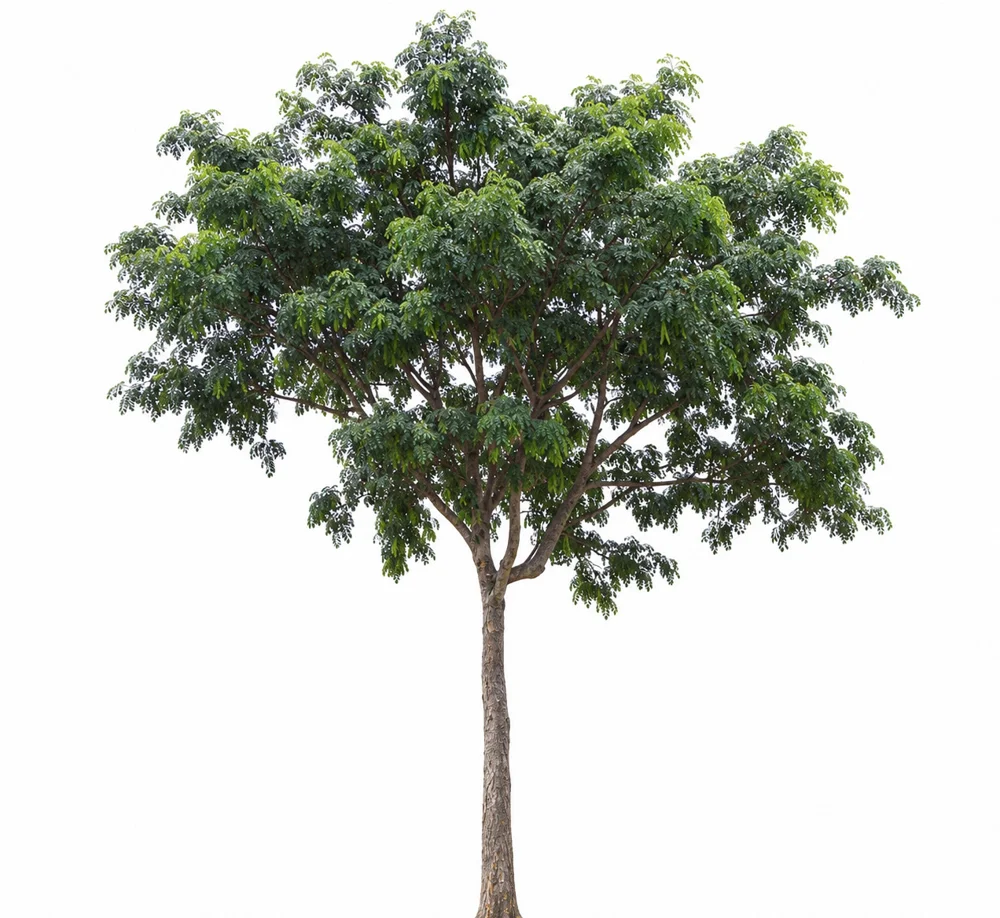
Known as Shirish or Shirisha in Ayurveda, the tree is traditionally regarded as a Vishaghna (antitoxic remedy). Its bark and leaves have been used in traditional medicine for venomous stings, allergic reactions and respiratory ailments.
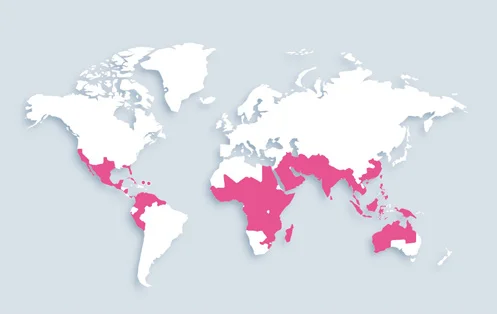
Indian Subcontinent to Myanmar, Worldwide