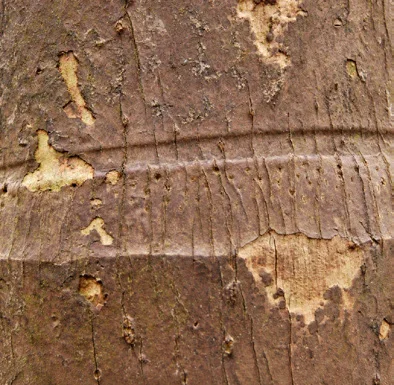
Bark
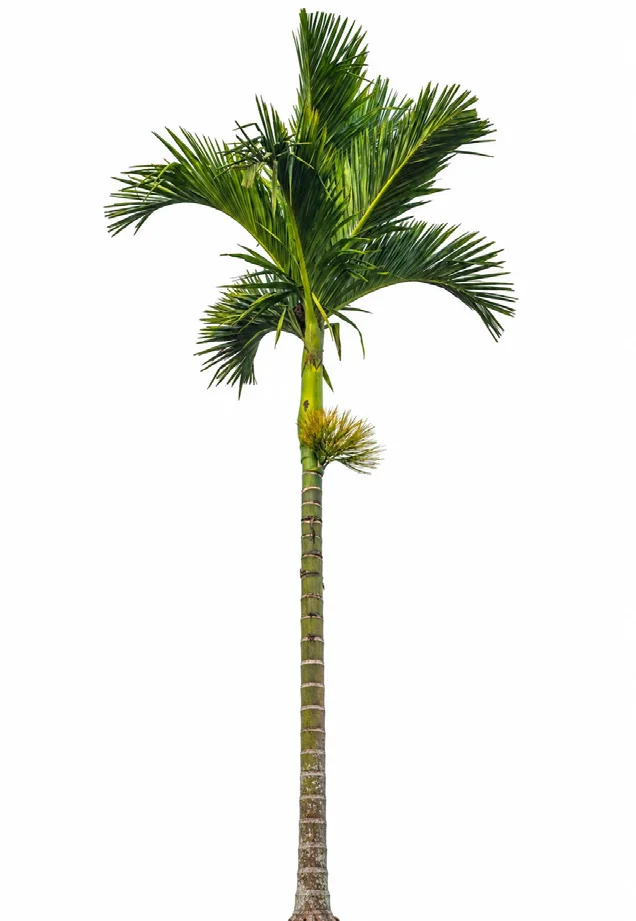
Trunk slender, straight, unarmed, grey, conspicuously ringed with leaf scars; topped by a smooth green crownshaft.


Syn. Areca hortensis
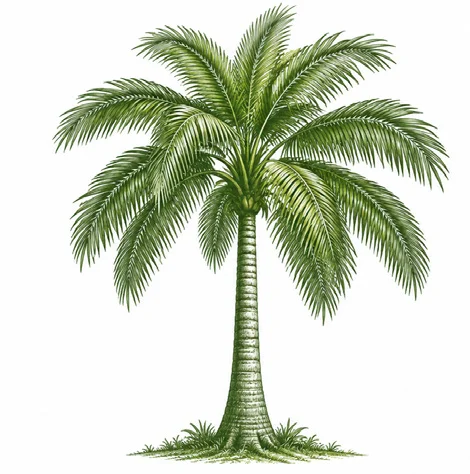
Trunk slender, straight, unarmed, grey, conspicuously ringed with leaf scars; topped by a smooth green crownshaft.
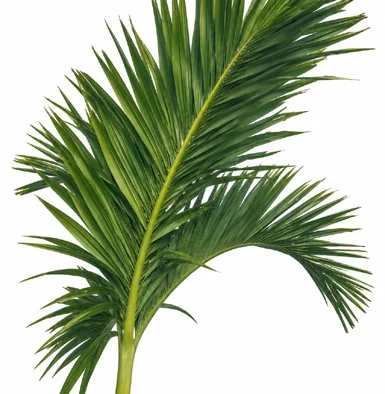
Leaves are pinnately compound, 1.5–2 m long, with numerous crowded leaflets.
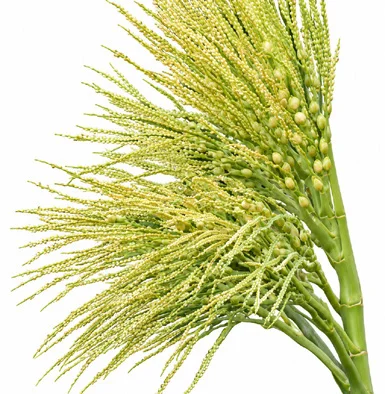
Inflorescences much-branched, borne below the leaves. Flowers unisexual, creamy-white and fragrant; a few larger female flowers at the base of each branch and many minute male flowers towards the tip.
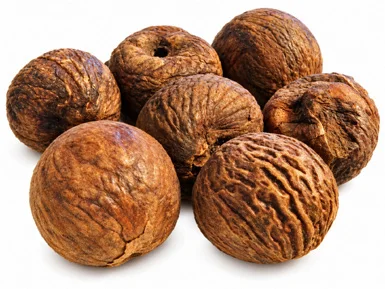
Fruits ovoid, fibrous, up to about 4 × 2.5 cm, green ripening to yellow, orange or red; each contains one seed (the areca nut or supari).
The seed (supari) is an essential ingredient of paan and has been chewed for over 4,000 years. It contains the alkaloid arecoline, which is mildly stimulating and addictive; In India, its fallen leaves are hot-pressed into eco-friendly disposable plates and bowls.

Philippines, Andaman Is., Bangladesh, Cambodia, China South-Central, India, Malaya, Nicobar Is. Sri Lanka, Sulawesi, Sumatera, Taiwan, Thailand, Vietnam.