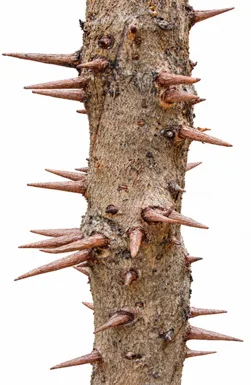
Bark
Rigid leathery leaves with straight parallel lateral veins and strong spines on the bark of young stems.


Syn. Clutia retusa
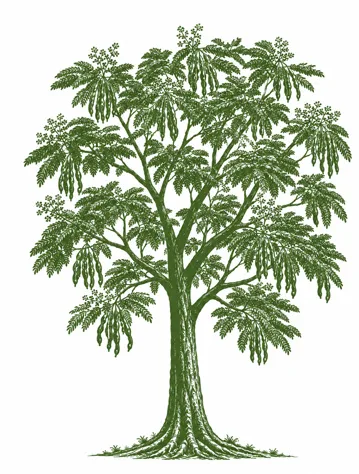
Rigid leathery leaves with straight parallel lateral veins and strong spines on the bark of young stems.
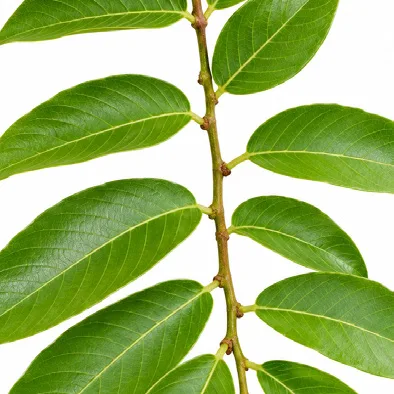
Leaf-blade is elliptic-oblong to elliptic-oblanceolate, 10-20 x 4-10 cm, tip somewhat pointed, sometimes blunt, base is rounded or roundly wedge-shaped, margin entire or wavy, thinly leathery, lateral nerves 15-20 pairs.
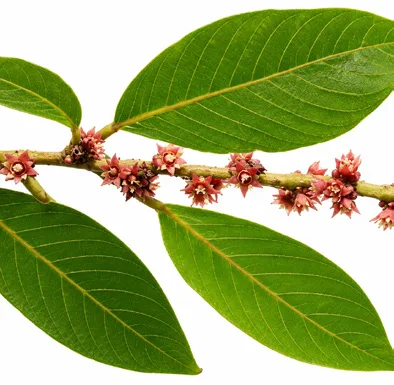
Flowers are arranged in axillary fascicles and also in fascicles on leafless branches appearing as spikes. The fascicles are either unisexual or bisexual; axes densely puberulous; bracts small, acute; flowers stalked.
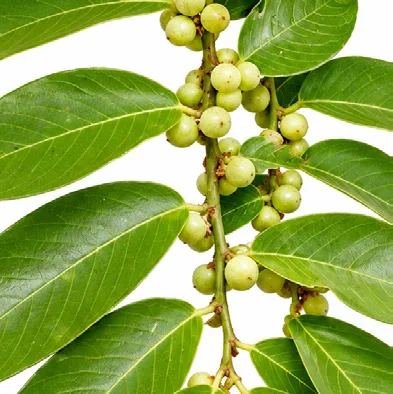
Fruit is globose, fleshy sweetish drupe, about the size of a pea, purple-black, seated on a hard enlarged calyx. 1 or 2 seeds with fairly thick bony shells.
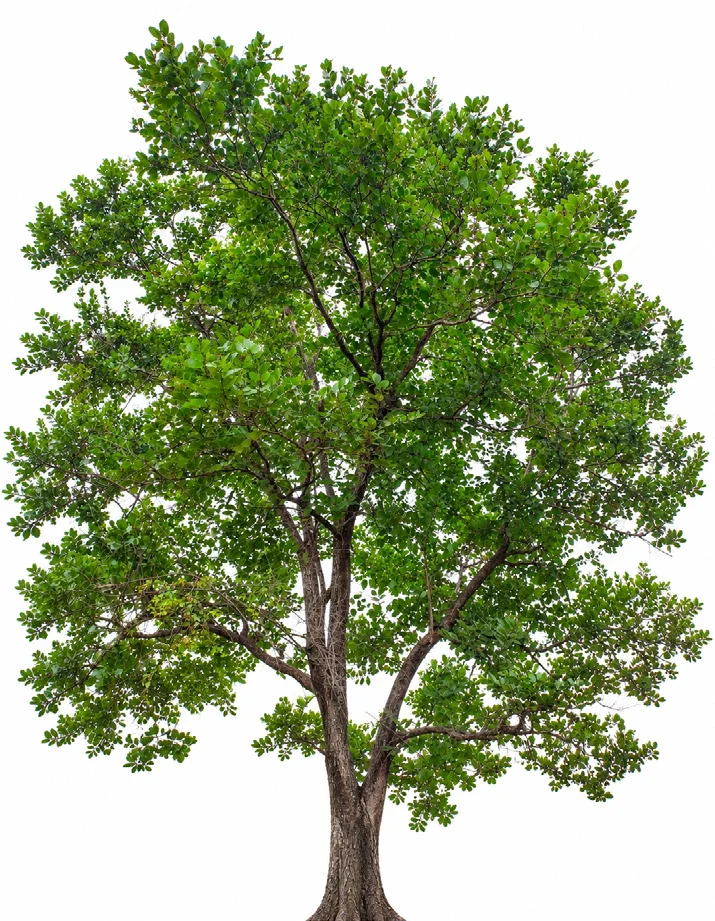
The bark is rich in tannins and has traditionally been used in the leather tanning industry.

Indian Subcontinent to S. China and W. Malesia