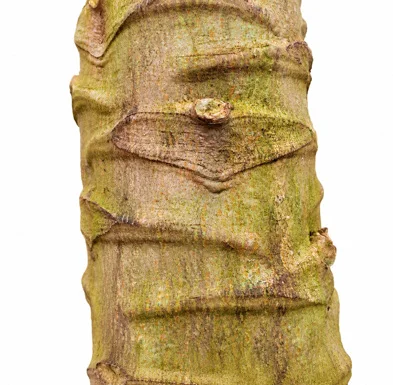
Bark
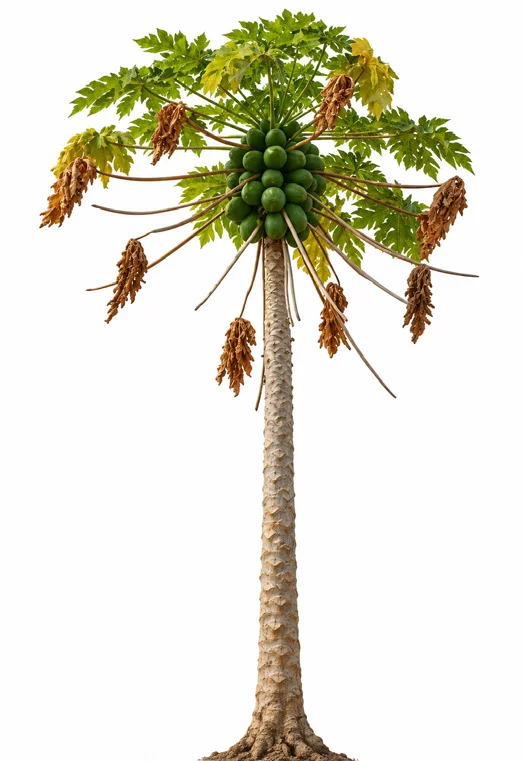
The trunk remains somewhat succulent and soft wooded, and never develops true bark. It is ringed with prominent scars from previous leaf stems and contains an acrid milky latex sap.


Syn. Papaya peltata
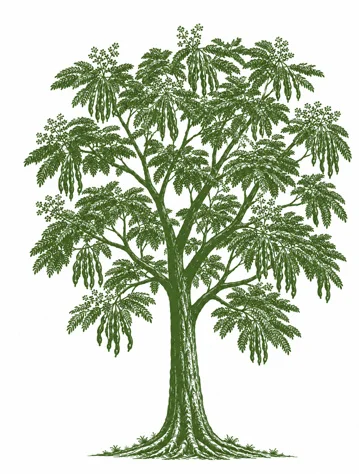
The trunk remains somewhat succulent and soft wooded, and never develops true bark. It is ringed with prominent scars from previous leaf stems and contains an acrid milky latex sap.
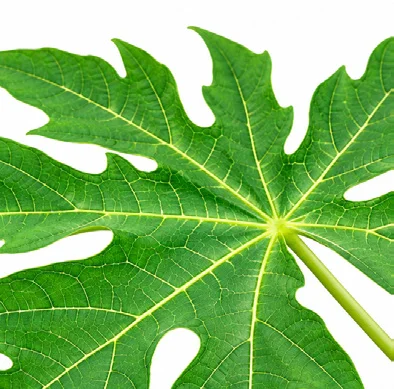
Leaves drooping proximally, erect or spreading distally; petiole 35-70 cm, hollow; 20-60 cm diam., shallowly to deeply palmately 5-9-lobed, lobes lanceolate to ovate, margins entire or pinnately divided into lanceolate to ovate lobes.
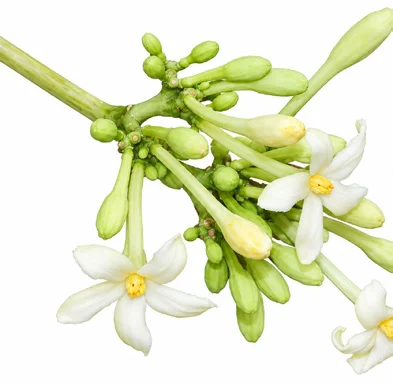
The five-petal flowers are fleshy, waxy and fragrant. Some papaya bear only short stalked female flower or bisexual flowers, while others may bear only male flowers, clustered on panicles 150-180 cm long.
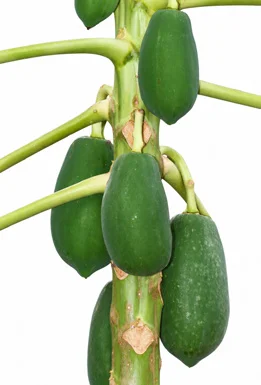
The smooth-skinned fruits are green, yellow, orange or rose colored, and typically weigh about 0.5 kg. They hang on short stalks in clusters directly from the trunk beneath the umbrella of giant leaves.
Carica papaya means ‘fig-like papaya’, a name inspired by its fig-like leaves, even though it is not related to fig trees.
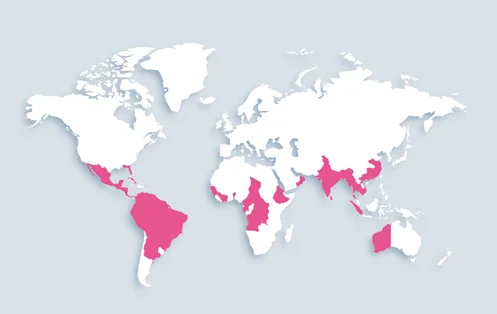
South Mexico to Venezuela.