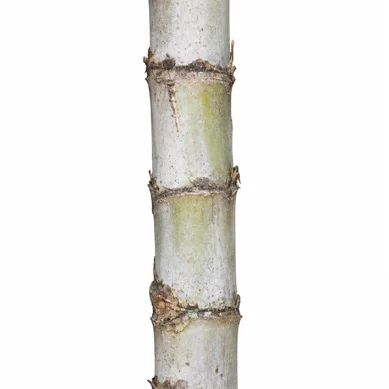
Bark
Multiple slender, erect stems forming dense clumps. Stem dies after fruiting while the clump keeps growing.


Syn. Caryota furfuracea
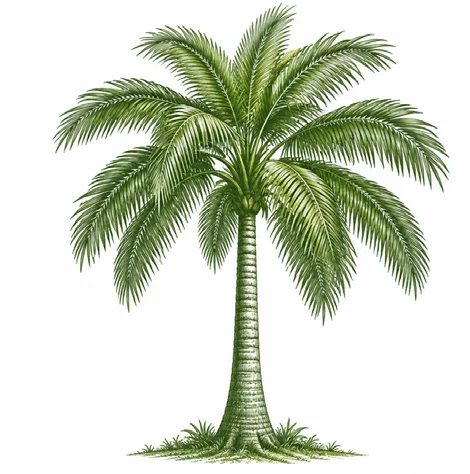
Multiple slender, erect stems forming dense clumps. Stem dies after fruiting while the clump keeps growing.
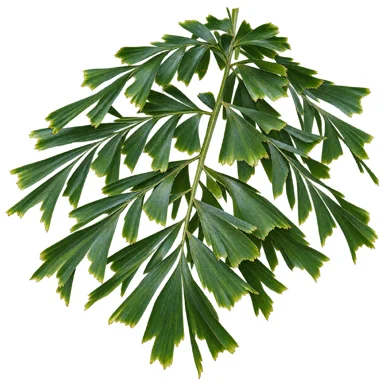
Large, bipinnate fronds, 1.3–3 m long, ascending to spreading, with irregularly triangular, wedge-shaped leaflets, jagged margins and fishtail-like tips.
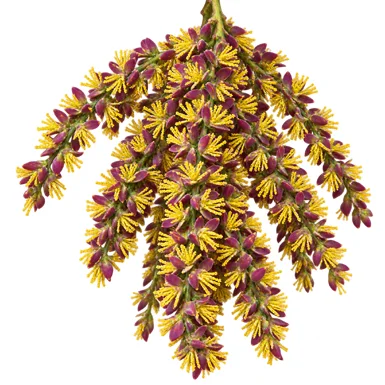
Cream-coloured, densely branched inflorescences develop successively downwards along the stem, bearing flower groups typically comprising two male flowers and one female flower.
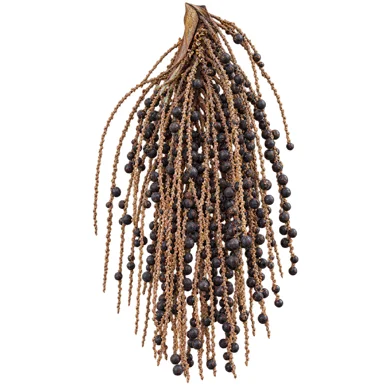
Fruits are globose, up to about 1.2 cm diameter, changing from green to reddish when mature.
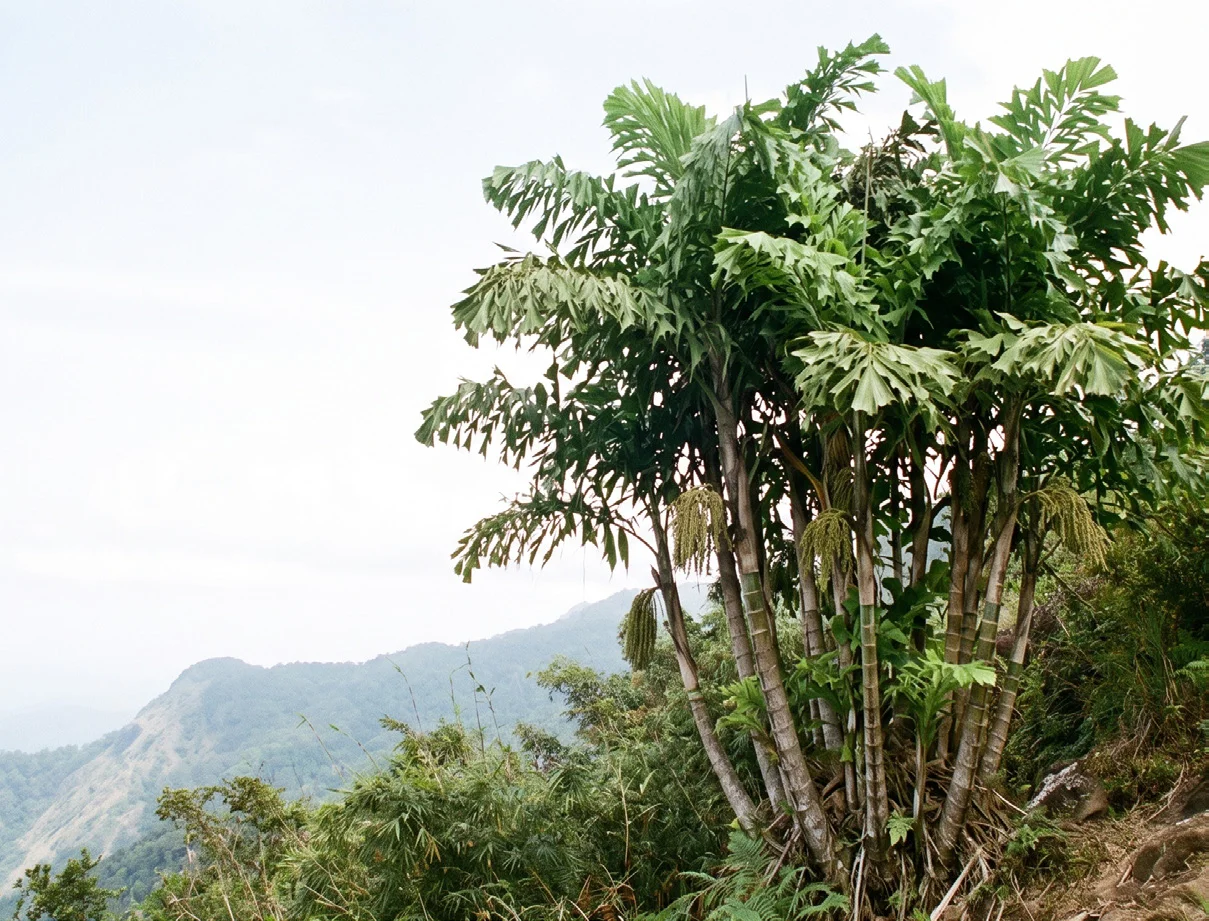
Mitis comes from Latin, meaning “mild” or “unarmed.” It was given this name because, unlike many tropical palms, its leaves and stems lack sharp spines or thorns. Unlike most palms, it bears bipinnate leaves with jagged, triangular leaflets resembling fish fins or tails.

S. China to Indo-China and Malesia, Comoros, India, Dominican Republic