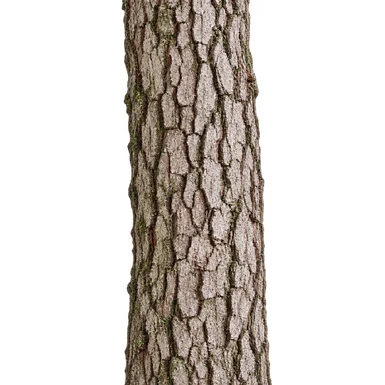
Bark
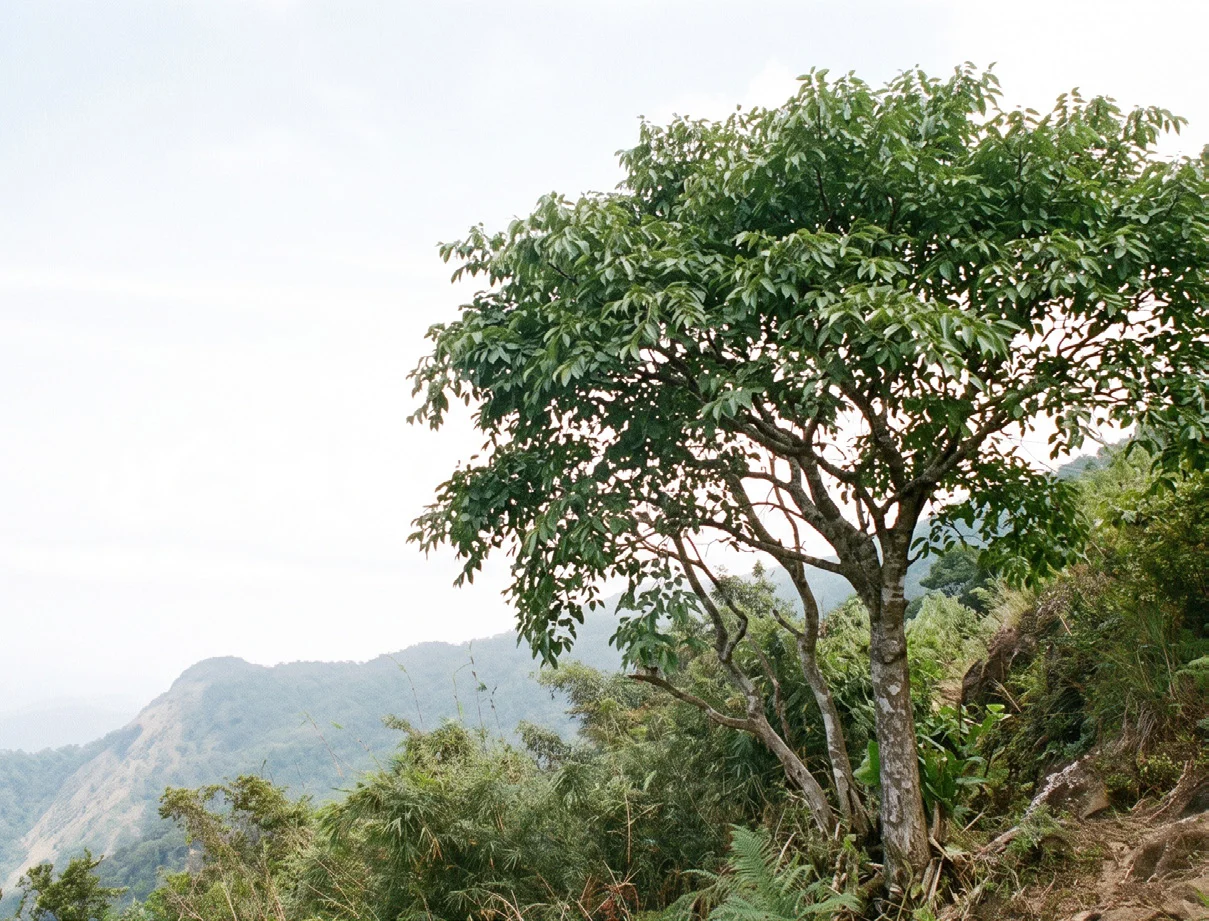
Small tree with bark reddish brown, scaly; blaze pink.


Syn. Clausena odorata
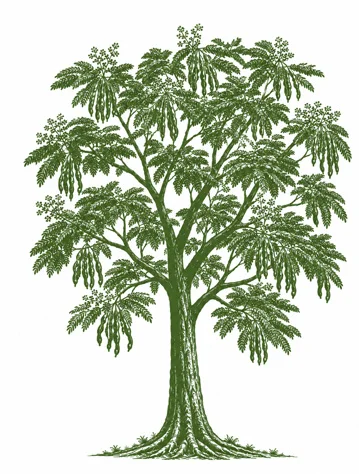
Small tree with bark reddish brown, scaly; blaze pink.
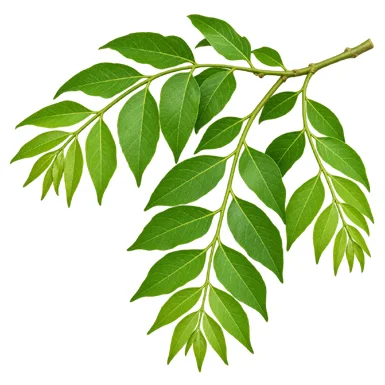
Alternate, spirally arranged, pinnate, 13–26 cm long, clustered at twig ends, usually ending in a single leaflet, with grey, velvety-hairy rachises becoming smooth with age.
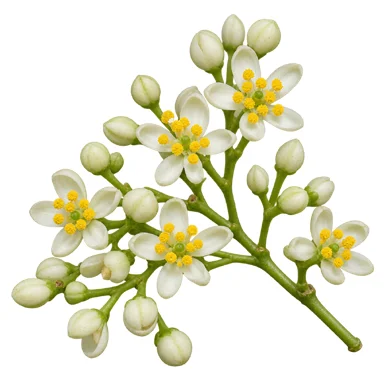
Flowers are borne in leaf-axils, in racemes. Flowers are white, 4-merous.
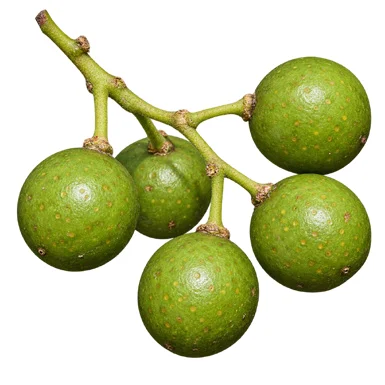
Berry is spherical, 1.3 cm across; seeds oblong.
The genus Clausena was described in 1768 by Nicolaas Laurens Burman and named in honour of Norwegian clergyman and scholar Peder Clausson Friis. In tropical Africa, crushed aromatic leaves were traditionally applied to maggot-infested wounds of livestock and domestic animals to help remove maggots. Crushed leaves smell strongly of aniseed.
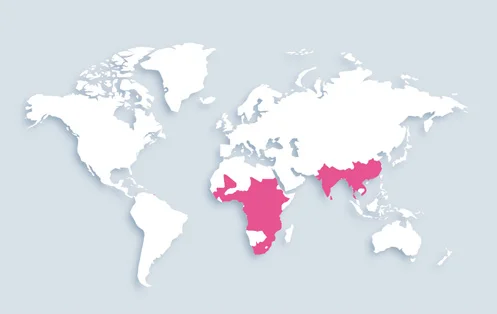
Tropical & S. Africa, Indian Subcontinent to S. Central China, Trinidad-Tobago