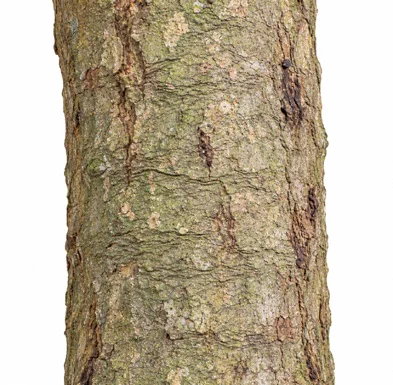
Bark
Stem woody, cylindrical, yellowish to grey-brown, with a characteristic yellow interior; older stems become thick and corky.


Syn. Menispermum fenestratum
Stem woody, cylindrical, yellowish to grey-brown, with a characteristic yellow interior; older stems become thick and corky.
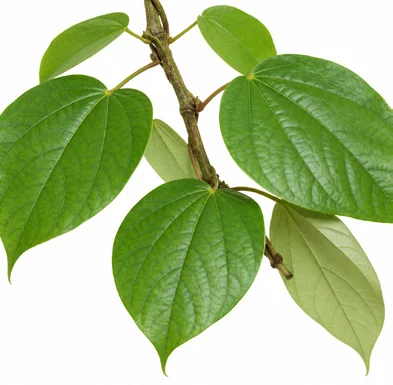
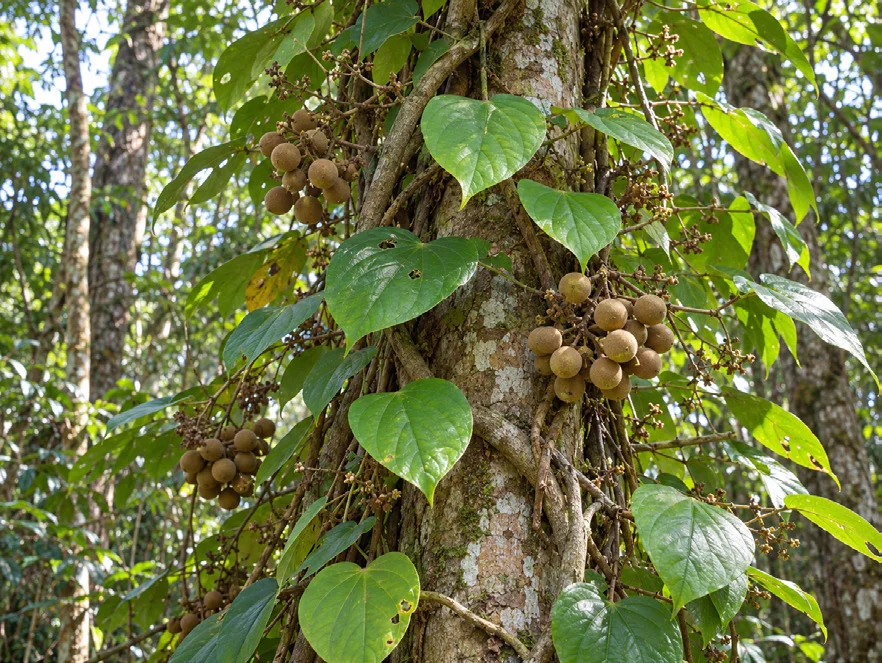
Leaves 15-18 x 13-15 cm, ovate, apex acuminate, base truncate, 5-7 ribbed, deltoid; petiole 10-12 cm long.
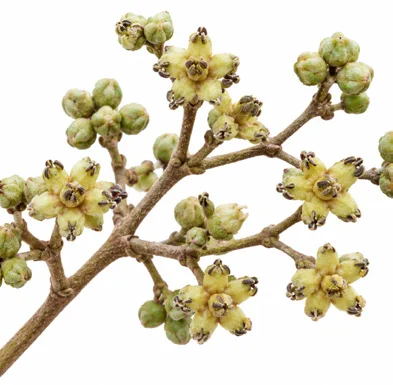
Inflorescence supra-axillary or cauliflorous. Female flowers mostly from old wood; sepals 6, sericeous; petals 3; ovary densely pilose, staminodes 6.
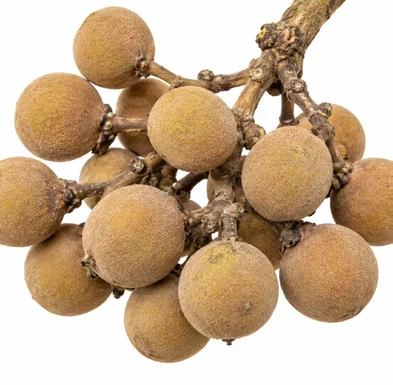
Fruit of 1or 2 drupes, to 2 cm dia, globose, brown villous, endocarp bony, peduncle to 12 cm; seed 1, black, glabrous.
It was historically known in European commerce as “False Calumba.” Its yellow wood was reportedly used to adulterate or imitate true Calumba root (Jateorhiza palmata), an African medicinal plant formerly valued as a digestive tonic.

S. India to W. Malesia