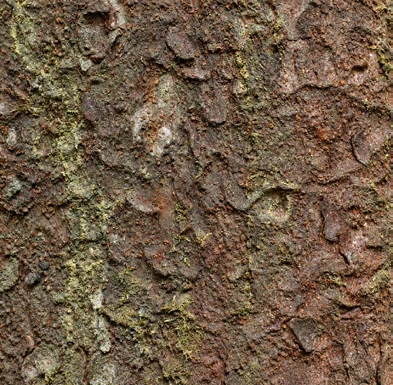
Bark
The bark is dark and smooth.


Syn. Garcinia cambogia
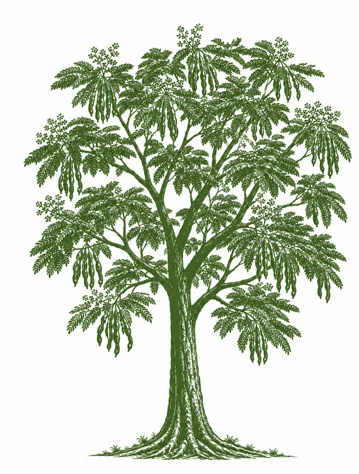
The bark is dark and smooth.
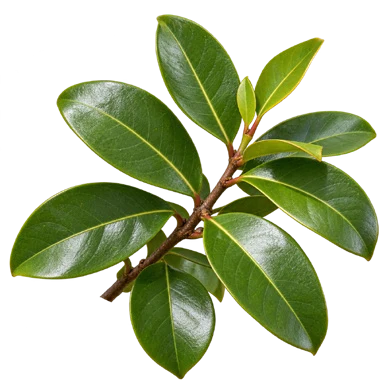
Leaves are opposite, stalked, dark green, shining, 13–18 by 4–8 cm, elliptic to obovate, hairless. Leaf-stalks are 1.2–2.2 cm long.
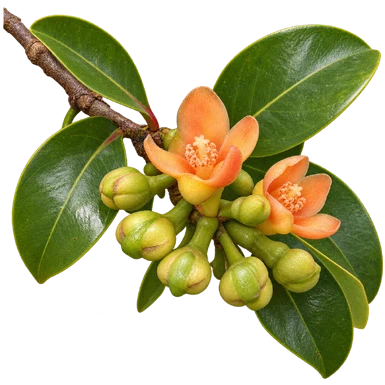
Flowers are borne in clusters of 4–20, are usually red, but some trees have yellow ones. Petals are normally 4, each about 1.2 cm wide, 1.1 cm long, anthers attached to a pistillode with a non-functional stigma.
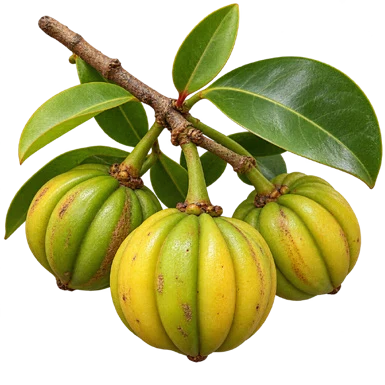
Fruit is a green, ovoid berry, with 6–8 grooves, 5 cm in diameter, yellow or red when ripe. Seed 6–8, smooth, large, about 5 cm long and 2 cm wide surrounded by a succulent aril.
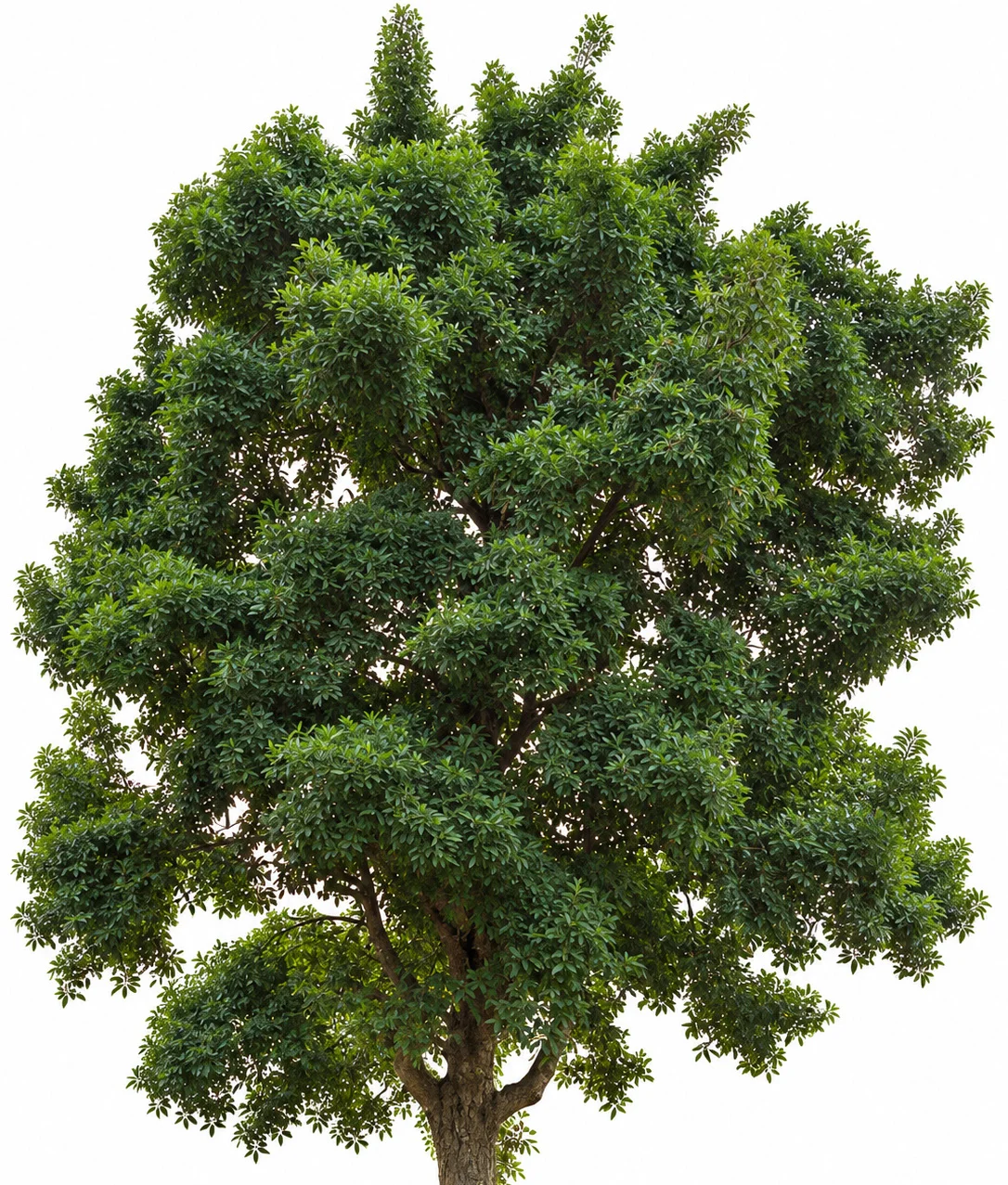
Garcinia gummi-gutta plants cannot be visually sexed until flowering, which may begin 7–9 years after planting. In Kerala, its dried, smoke-cured rind, called Kudam Puli (“Pot Tamarind”), is used to add smoky sourness to Meen Curry and preserves fish.

W. India