Bark
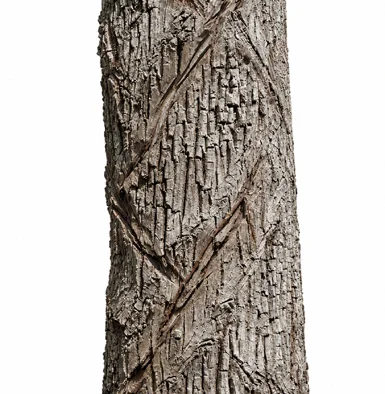
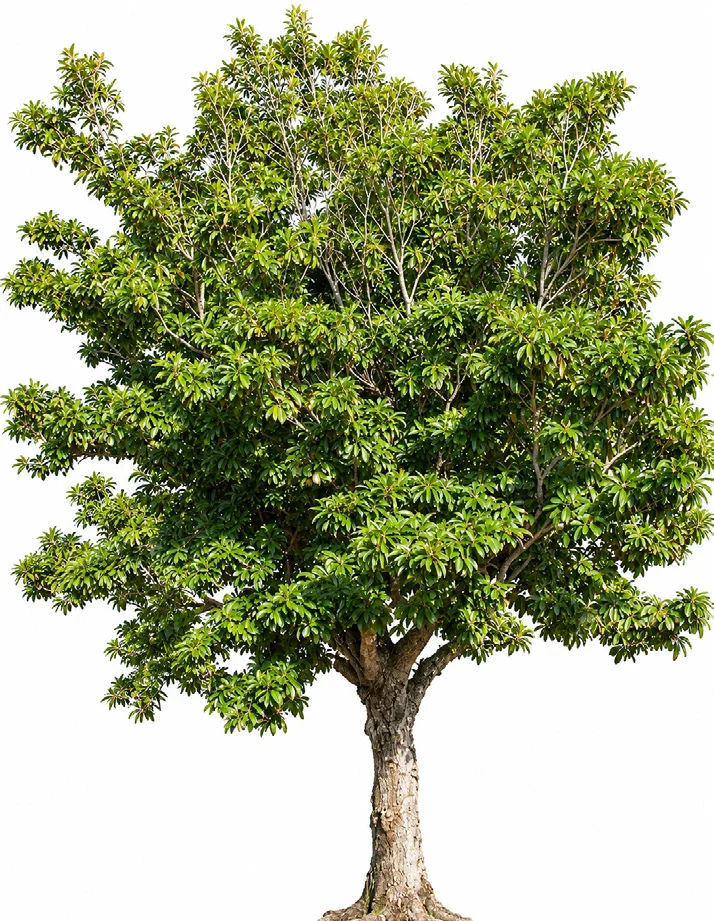
The bark is pale, rough, cracked or fissured, the inner bark is pinkish with sticky white latex, and mature trunks show diagonal tapping scars from chicle collection.


Syn. Lucuma zapota
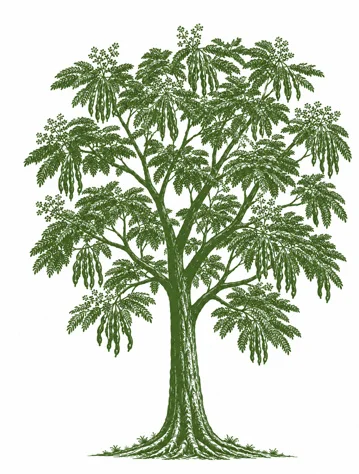
The bark is pale, rough, cracked or fissured, the inner bark is pinkish with sticky white latex, and mature trunks show diagonal tapping scars from chicle collection.
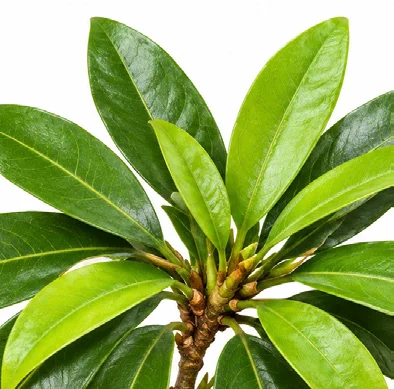
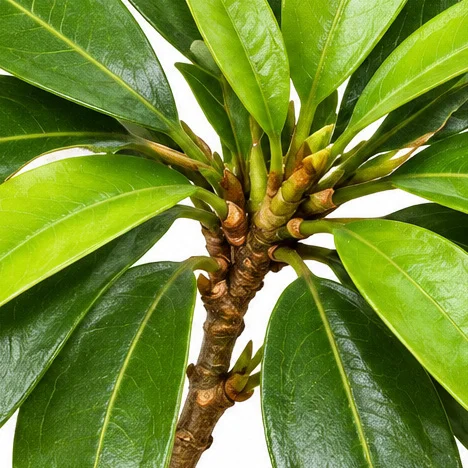
Its leaves are highly ornamental, evergreen, glossy, alternate, spirally clustered at the tips of the forked twigs; elliptic, pointed at both ends, firm, 7.5-11.25 cm long and 2.5-4 cm wide.
Flowers are small and bell-like, with 3 brown-hairy outer sepals and 3 inner sepals enclosing the pale-green corolla and 6 stamens. They are borne on slender stalks at the leaf bases.
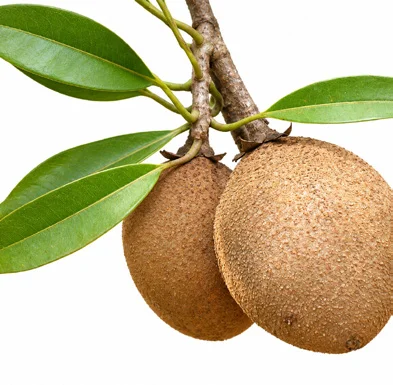
The fruit may be nearly round, oblate, oval, ellipsoidal, or conical; when immature it is hard.
The milky latex of Manilkara zapota was once used to make natural chewing gum, known as chicle. The species name zapota comes from Spanish zapote, from Nahuatl tzapotl.
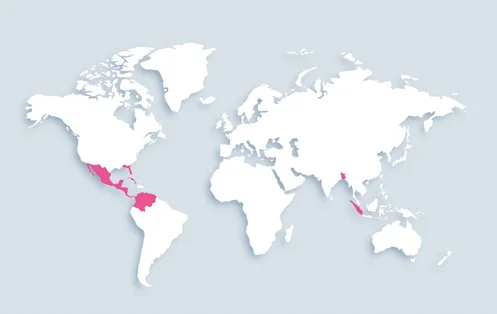
Mexico to Colombia.