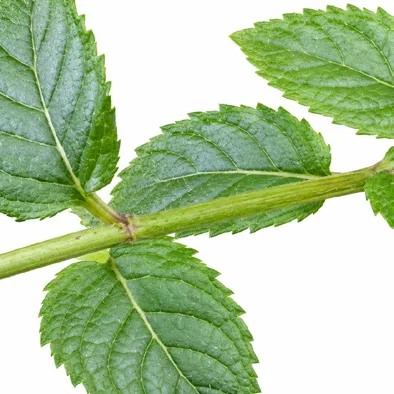
Bark
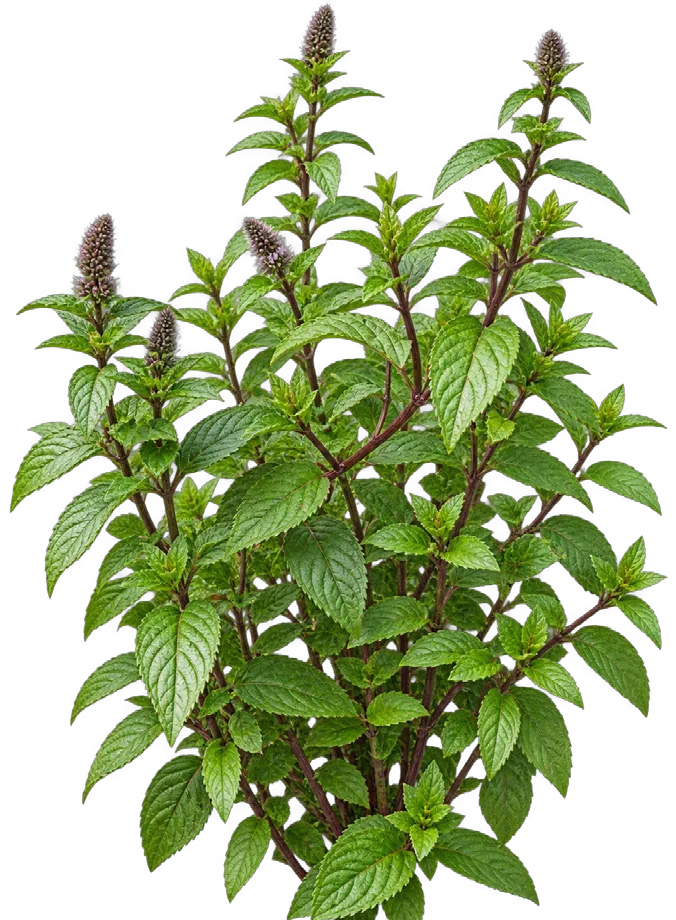
Stems are erect or ascending, four-angled, green to reddish-purple, sometimes slightly hairy, and strongly aromatic.


Syn. Mentha aquatica var. piperita
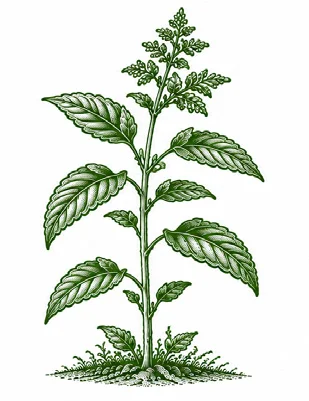
Stems are erect or ascending, four-angled, green to reddish-purple, sometimes slightly hairy, and strongly aromatic.
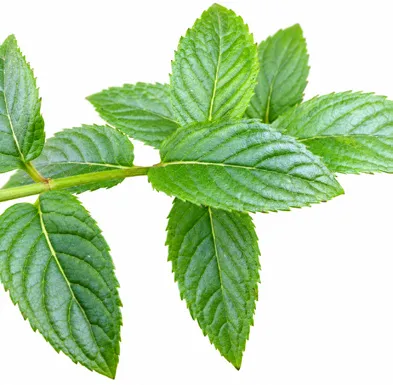
Simple, opposite, ovate-lanceolate to lanceolate, with sharply serrated margins and pointed tips; dark green, often with reddish veins and conspicuous aromatic oil glands.
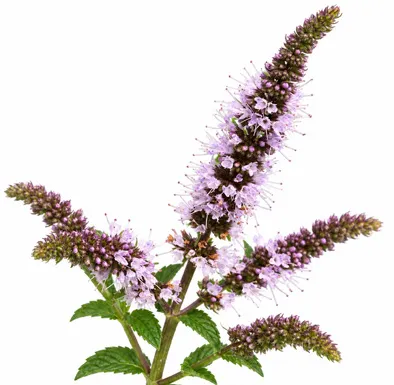
Small, tubular, pink to lilac or pale purple flowers arranged in dense terminal spikes or whorled clusters.
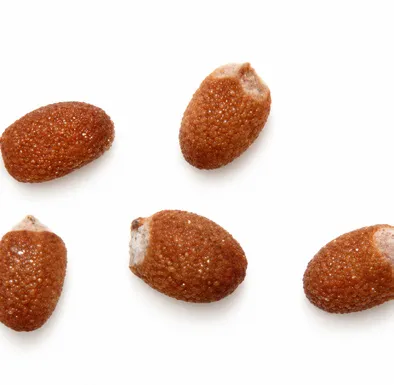
Fruit, when formed, consists of small, dry, brown nutlets. Seed production is often absent or poor because peppermint is a hybrid.
Peppermint contains high concentrations of menthol, which chemically tricks your body into feeling cold. Menthol binds to the TRPM8 receptors in your sensory neurons—the exact same receptors that detect actual freezing temperatures. Your body feels a chilling sensation even though no temperature change has occurred.

Europe to Central Asia, Worldwide