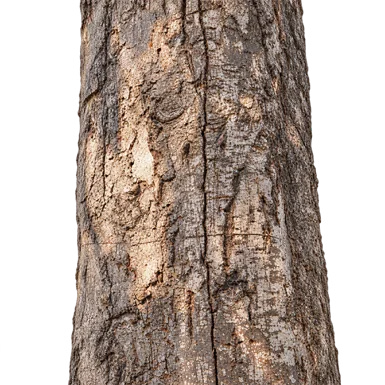
Bark
Smooth, greyish-brown to blackish, thornless, lacks latex, and covers strong, highly durable wood.

Syn. Sterculia alata
Smooth, greyish-brown to blackish, thornless, lacks latex, and covers strong, highly durable wood.
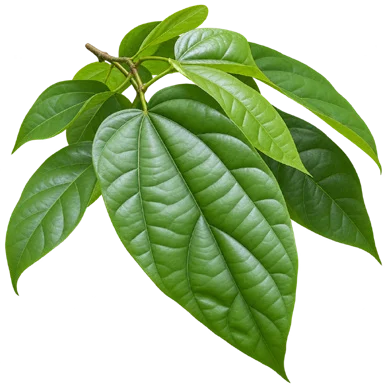
Carried on 3–10 cm long stalks, crowded towards the ends of branches. Blade broadly ovate-heart-shaped, 10–25 cm long, 7–15 cm broad, wavy, smooth, pointed or tapering.
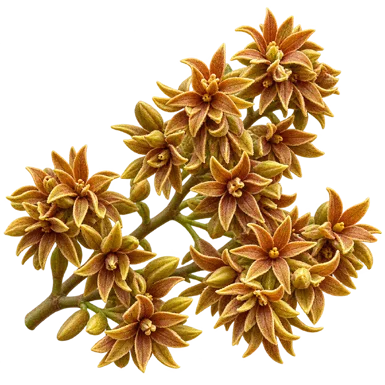
Arranged in few-flowered racemes, 1–1.5 cm across, on 2–3 mm stalks; petals absent, sepals five, nearly free, fleshy, densely ferruginous-pubescent outside and purple with red streaks within.
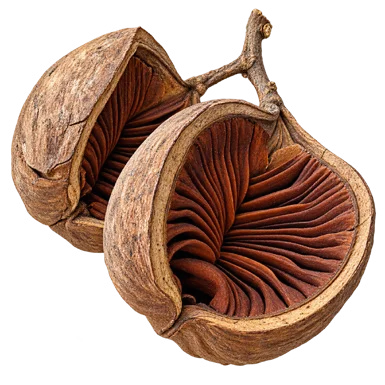
Fruit is large, woody, 7–12 cm in diameter, obliquely round. Seeds are about 40 per follicle, oblong, compressed, in 2 rows, winged.
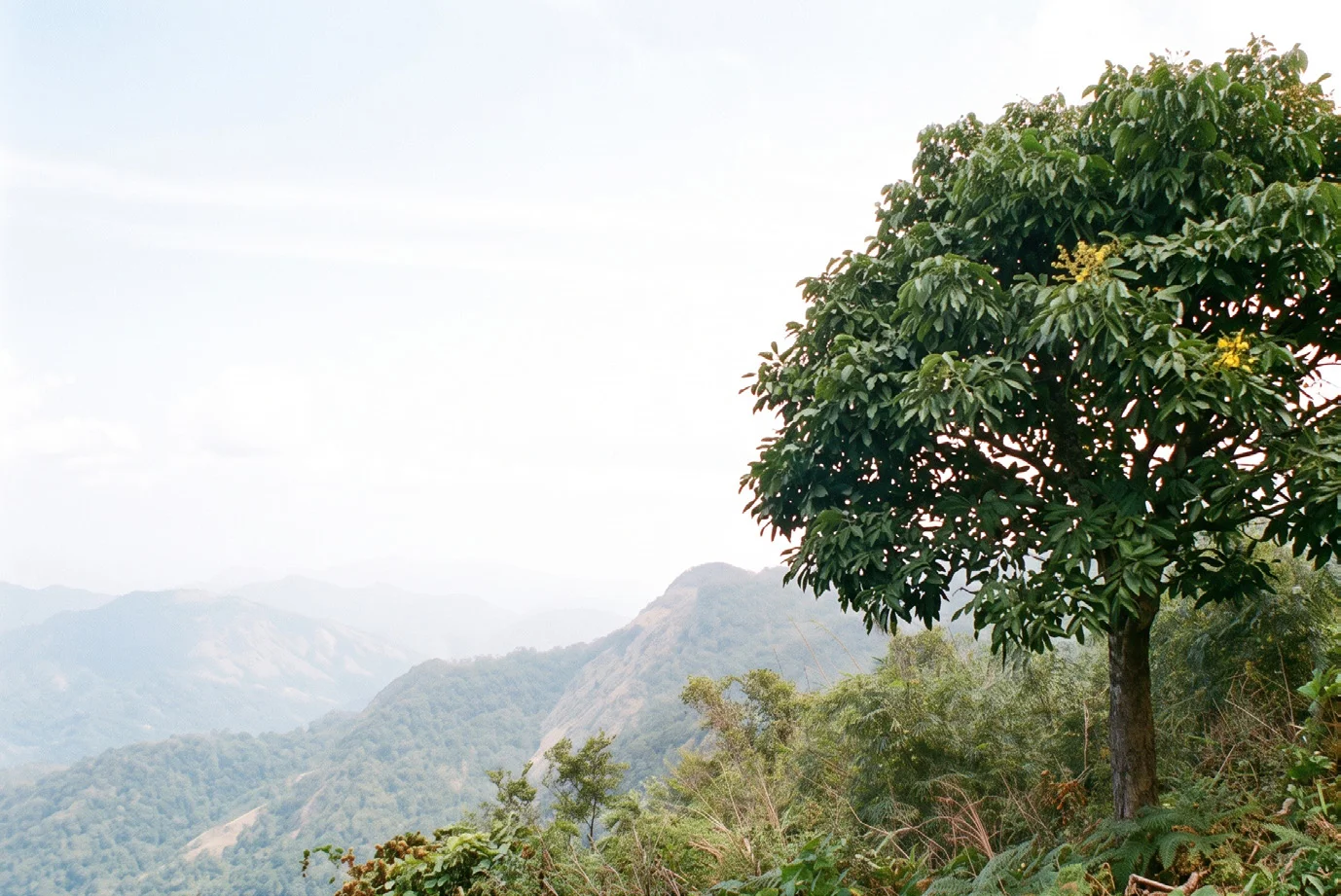
The tree’s common name comes from its large, woody fruit capsules, which reach about 7–12 cm across. Their round shape and rough brown surface remarkably resemble coconuts hanging high in the canopy.
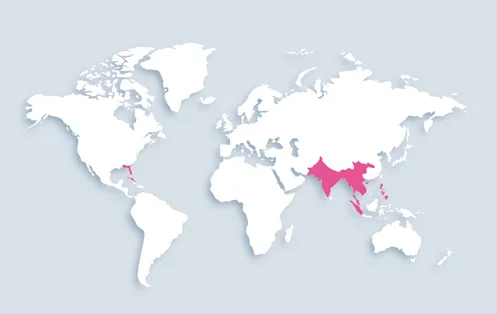
E. Himalaya to China (Yunnan) and Sumatera, S. Hainan, Cuba, Florida, Pakistan