Bark
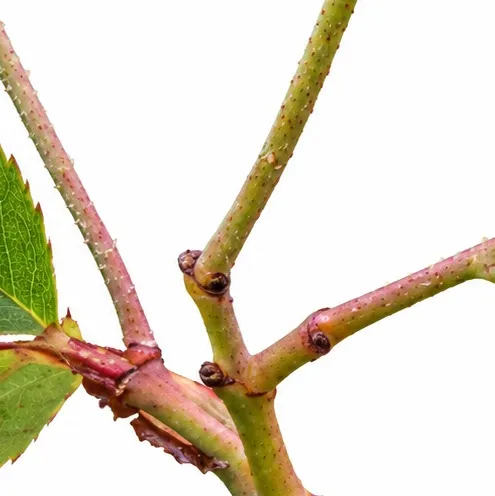
Smooth, olive-green to brown bark covering robust, arching, rope-like vines that are heavily armed with sharp, stout, backward-curved prickles.


Syn. Rosa clavigera
Smooth, olive-green to brown bark covering robust, arching, rope-like vines that are heavily armed with sharp, stout, backward-curved prickles.
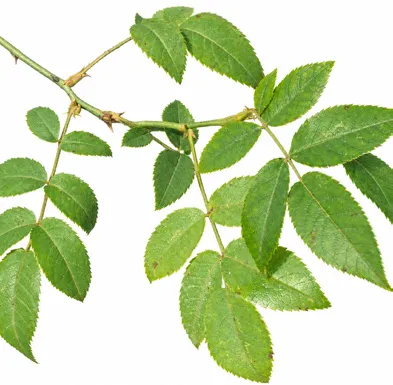
Alternately arranged, pinnately compound leaves holding 5 to 9 opposite, elliptic-lanceolate leaflets with sharply serrated margins and fine hairs along the midrib.
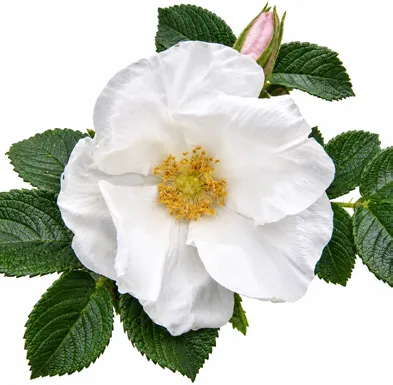
Large, highly fragrant, single white flowers (3–5 cm across) displaying 5 heart-shaped petals surrounding a massive, central ball of golden-yellow stamens, grouped into heavy terminal clusters.
Large, highly fragrant, single white flowers (3–5 cm across) displaying 5 heart-shaped petals surrounding a massive, central ball of golden-yellow stamens, grouped into heavy terminal clusters.
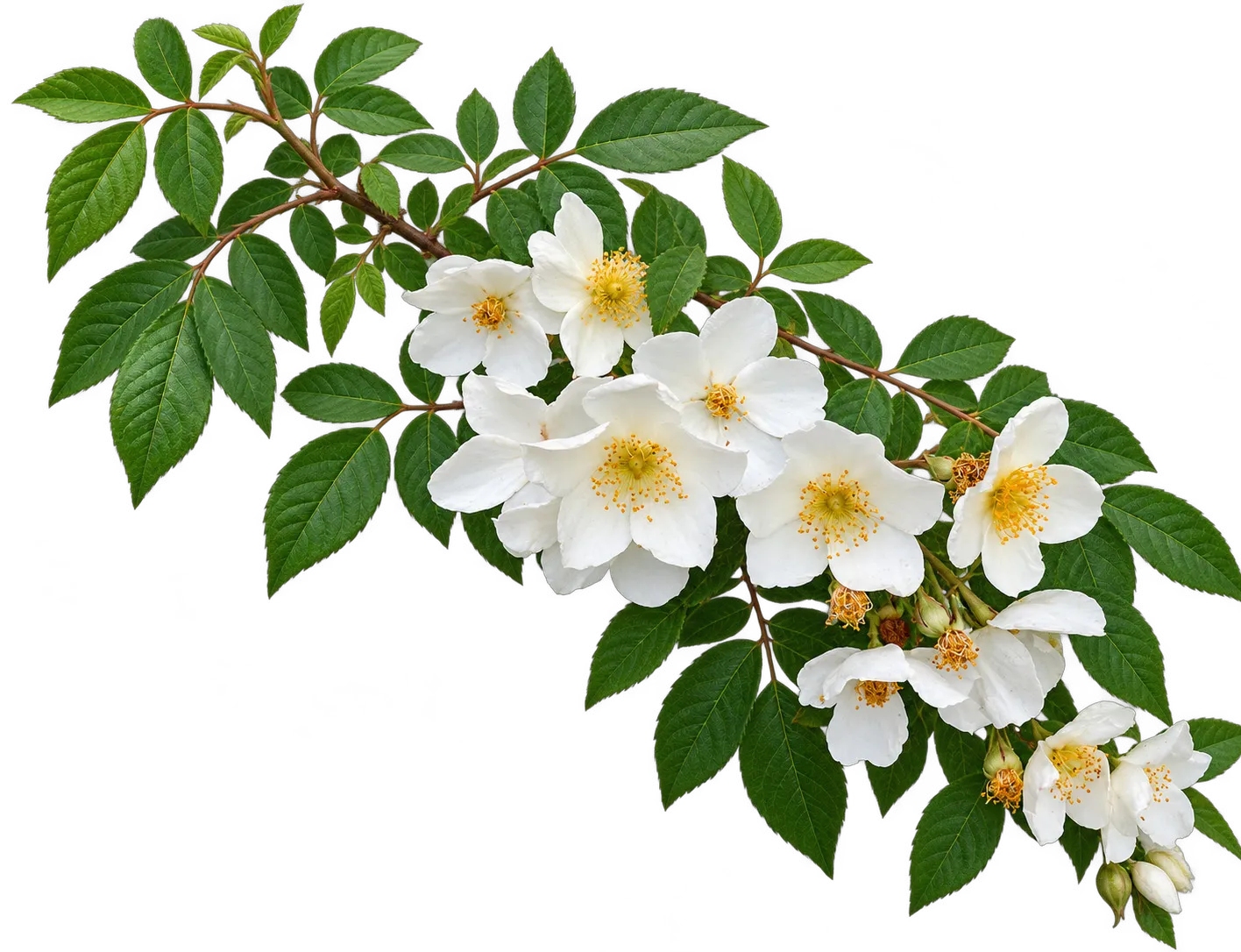
The Himalayan musk rose (Rosa brunonii) releases a rich, musky fragrance that drifts on mountain breezes, perfuming Himalayan woodlands during its peak spring bloom.
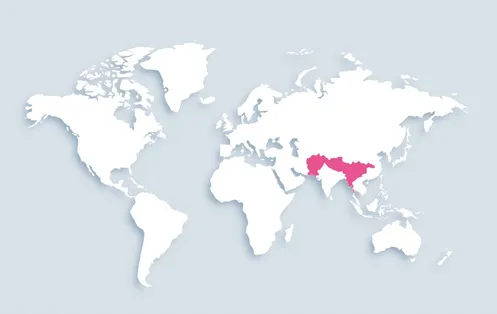
NE. Afghanistan to China and N. Myanmar