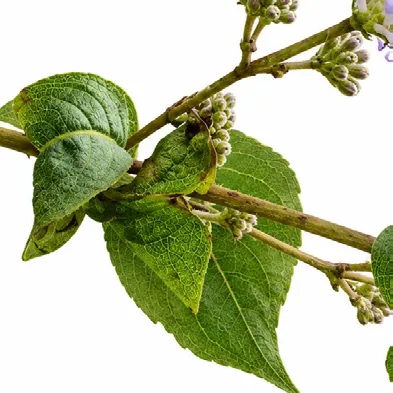
Bark
Grey to greyish-brown, rough, slightly fissured, peeling in thin papery or fibrous flakes on mature branches.


Syn. Hamiltonia suaveolens
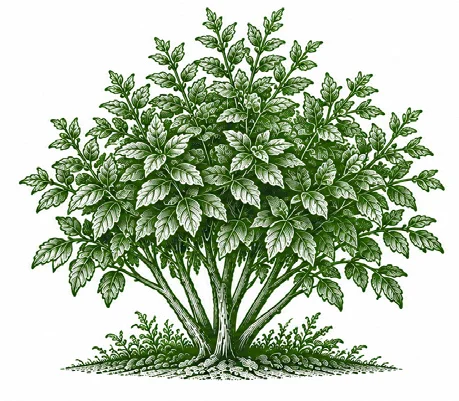
Grey to greyish-brown, rough, slightly fissured, peeling in thin papery or fibrous flakes on mature branches.
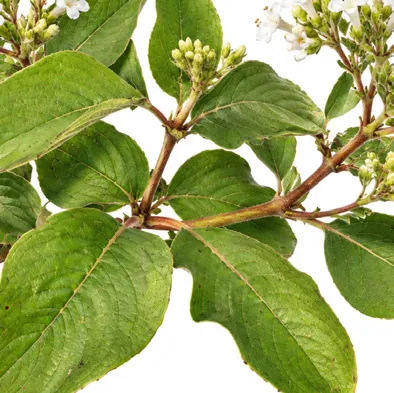
Opposite, decussate, 10–25 cm long, elliptic-lanceolate to ovate-oblong, acute to acuminate apex, tapering base, entire margins; dark green with prominent secondary veins; emits an unpleasant foetid odor when crushed.
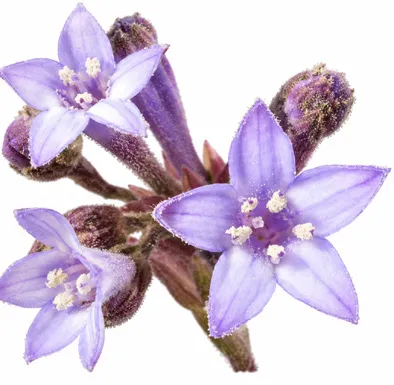
Sessile, borne in terminal trichotomous clustered cymes or paniculate heads; corolla tubular to funnel-shaped, 5-lobed, white to pale lilac or azure blue, intensely sweet-scented and fragrant, especially towards evening.
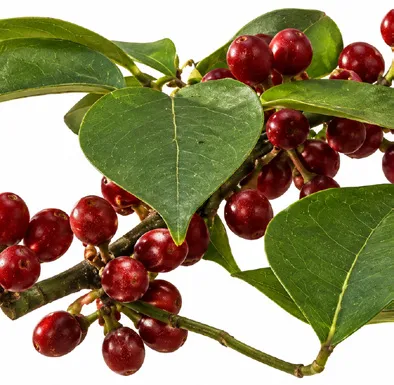
Capsule, 1-celled, 5-valved, obovoid-ellipsoid, 3–4 mm long; seeds up to 5, oblong, triquetrous, enclosed in a distinctive reticulate, net-like loose arilloid membrane.
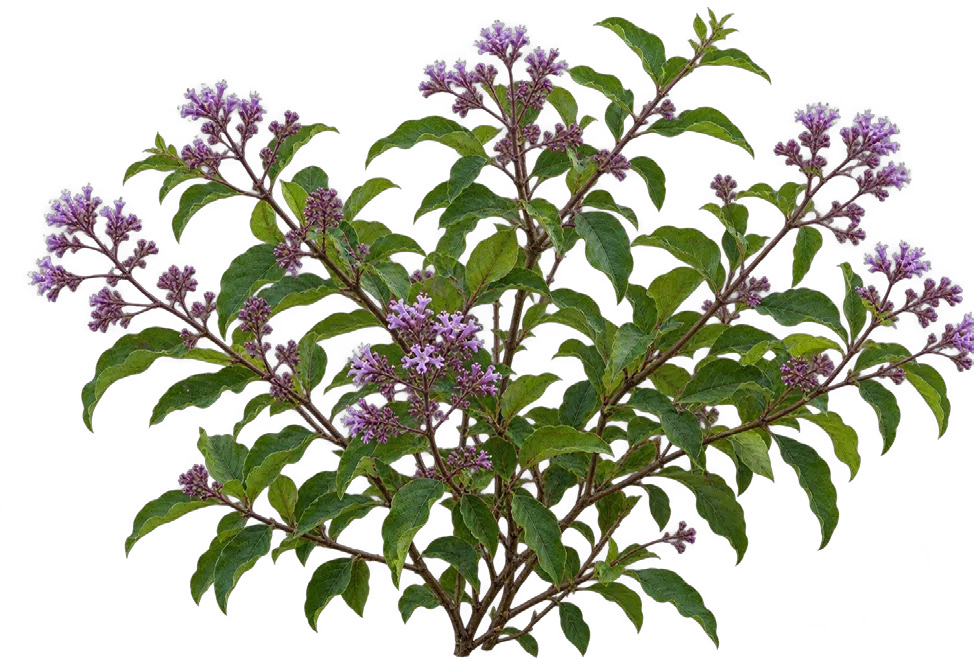
In China, it is not native but is widely imported, cultivated, and valued as an ornamental garden shrub for its striking, globe-shaped flower heads and sweet fragrance.

Indian Subcontinent to Myanmar, Tibet