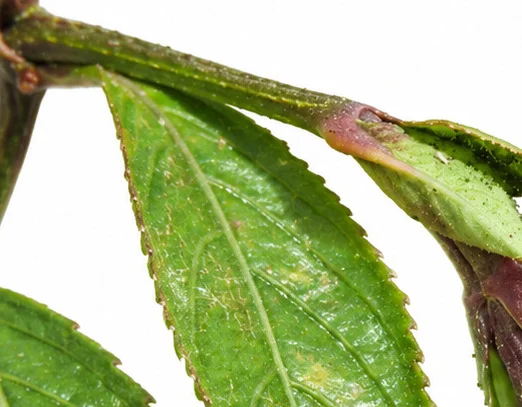
Bark
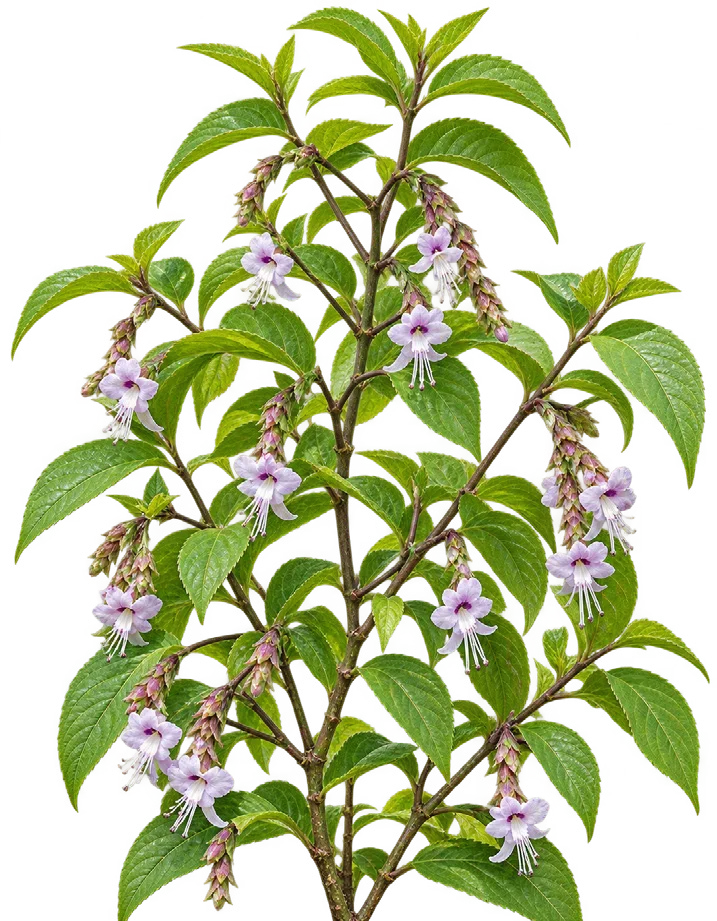
Thin, brownish-green to dark purplish, smooth; stems slender, sub-quadrangular, distinctly grooved with minute white speckles (lenticels/glands); basal nodes produce adventitious roots.


Syn. Ruellia ciliata
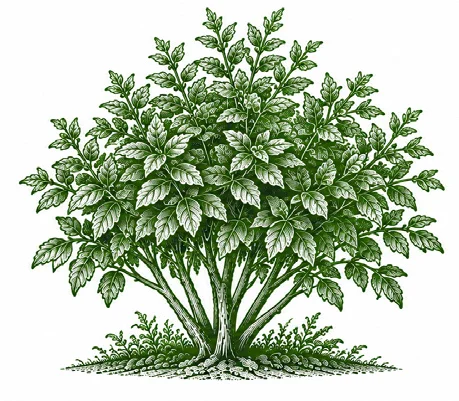
Thin, brownish-green to dark purplish, smooth; stems slender, sub-quadrangular, distinctly grooved with minute white speckles (lenticels/glands); basal nodes produce adventitious roots.
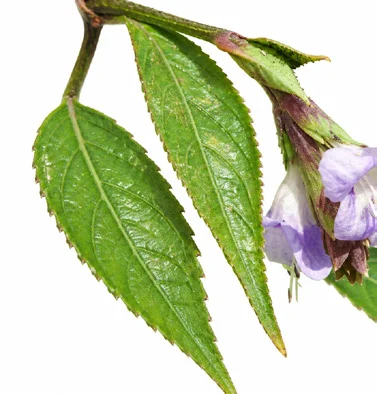
Opposite, 7–15 cm long, elliptic-lanceolate, acuminate at both ends, sharply serrate margins, glabrous, dark green above and paler beneath, with 6–7 pairs of prominent raised lateral veins.
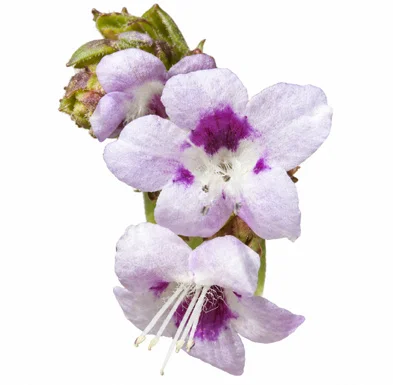
Small, arranged in axillary, slender, sub-cylindrical spikes (2–5 cm long); corolla white with a lilac, pale pink, or yellowish throat/lip, bilabiate, tubular, ca. 1.2–1.8 cm long; bracts ovate, imbricate, distinctly ciliated at margins.
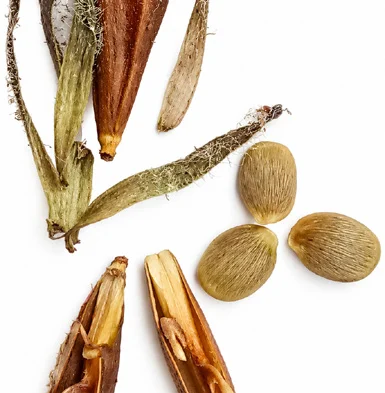
Capsule oblong, 2-celled, 0.8–1 cm long, with 2–4 flat compressed seeds; fruit and seed formation is very rarely observed in nature.
For centuries, tribal healers have traditionally used the plant to treat lameness, nerve-related ailments, and musculoskeletal disorders. Modern studies have identified lupeol, a compound that help in treating ailements such as sciatica, lumbago, and chronic joint inflammation.

India