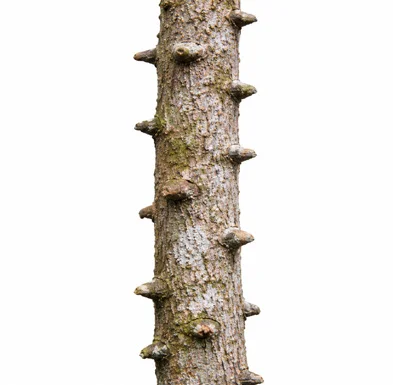
Bark
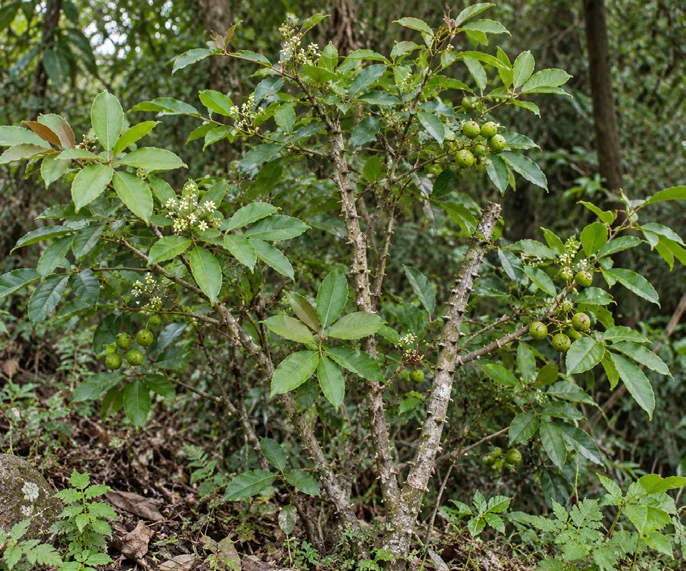
Woody, armed with recurved/prickly spines; young branches often rusty-pubescent.


Syn. Toddalia nitida
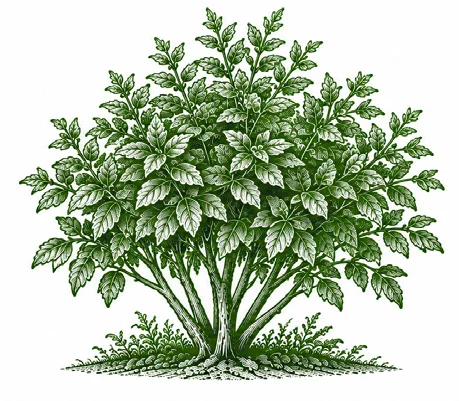
Woody, armed with recurved/prickly spines; young branches often rusty-pubescent.
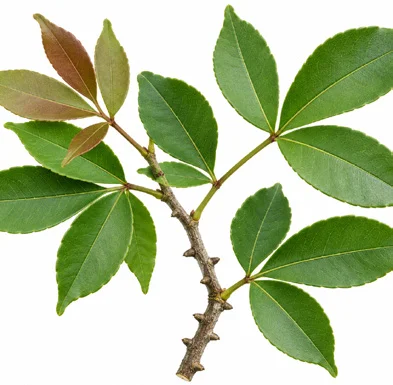
Shiny green lemon-scented leaves.
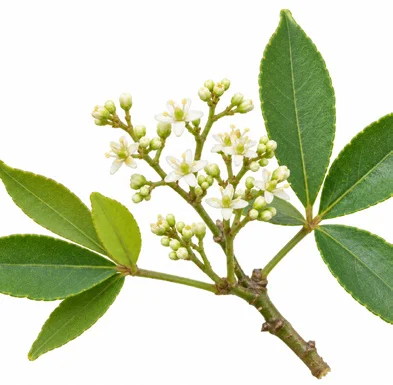
Creamish white flowers. Sepals are 0.3-0.5 mm. Petals ovate to elliptic, 1-3.5 mm. Stamens in male flowers are 3-4 mm, whereas in female flowers they are ligulate and only 0.2-0.8 mm. Disk is 0.2-0.5 mm.
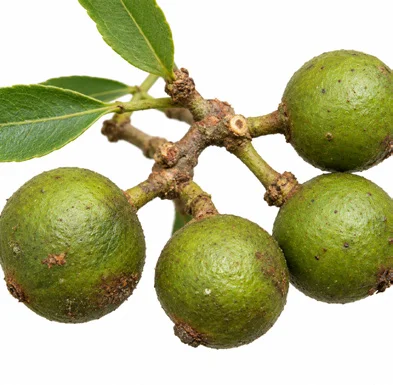
Fruits are orange about half a cm wide that taste like orange peel.
It is used traditionally by several African communities, including the Maasai, for ailments such as malaria, cough and influenza. Its roots contain coumarins that have shown antiplasmodial activity in laboratory studies.
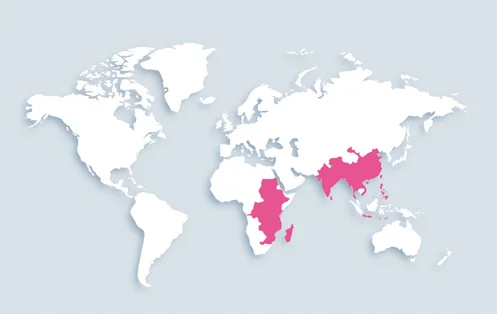
Ethiopia to Eswatini, W. Indian Ocean, Tropical & Subtropical Asia