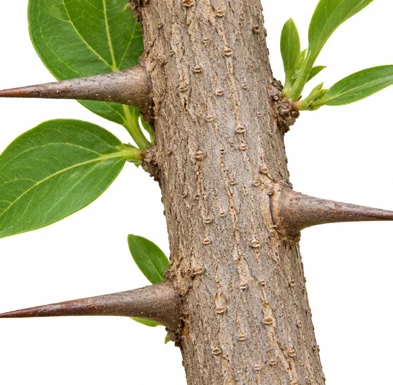
Bark
Stems greyish-brown; branches armed with opposite, supra-axillary spines, generally about 1–3 cm long, sometimes reported up to 5 cm.


Syn. Canthium parviflorum
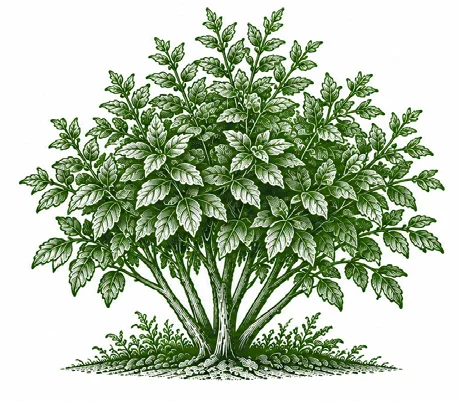
Stems greyish-brown; branches armed with opposite, supra-axillary spines, generally about 1–3 cm long, sometimes reported up to 5 cm.
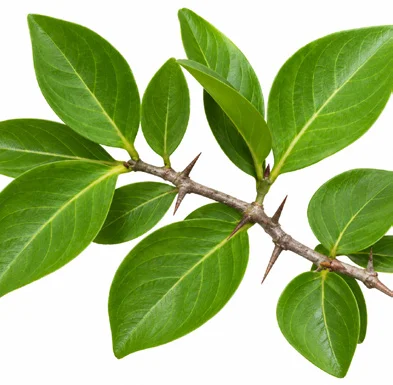
Leaves are ovate to elliptic, 1.8–5 cm long and 1.3–3 cm wide, smooth and glabrous, with prominent midrib, reticulate venation, and opposite arrangement.
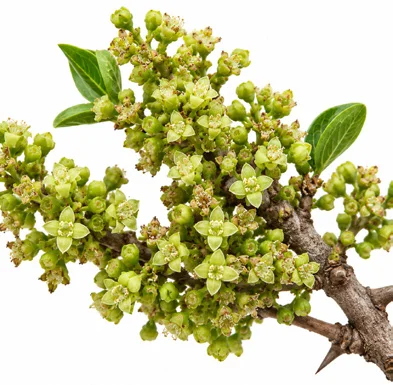
Flowers are small, yellow with 4 stamens. Flowers are bearded in the throat. Tube is short, with 4-5 spreading petals. Anthers are inserted into the throat, scarcely protruding.
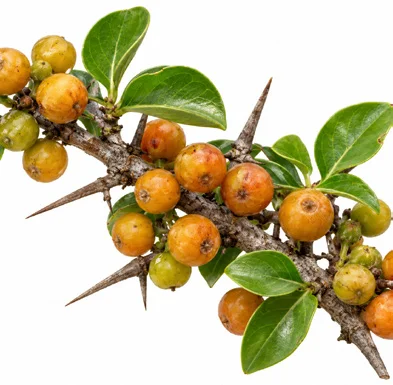
Fruits are obovate, furrowed on each side.
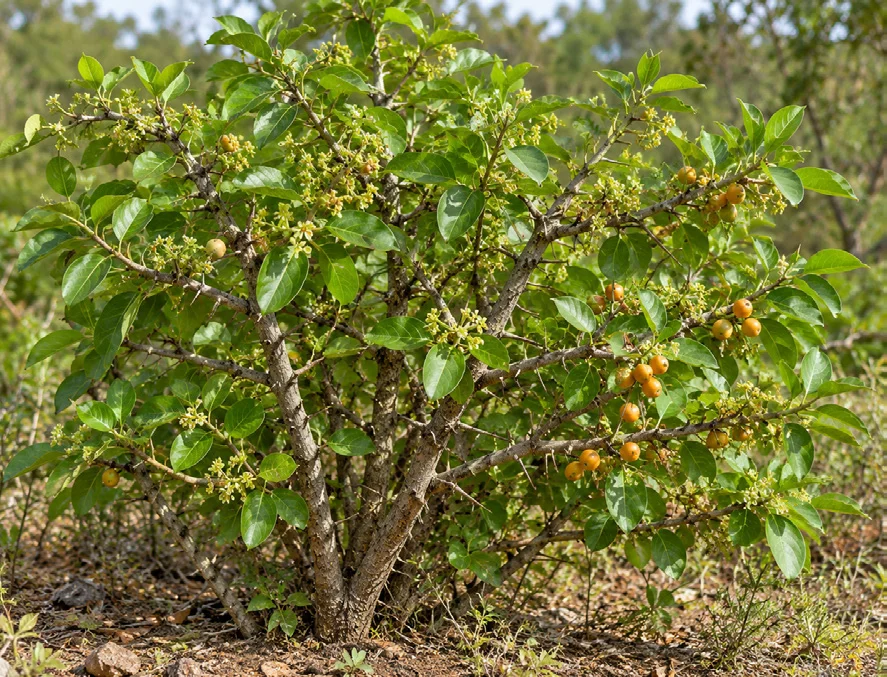
Before modern sterilized needles were available, it’s the stiff, needle-sharp spines were traditionally used by rural communities in southern India as natural tools for ear piercing during traditional ceremonies.

Indian Subcontinent