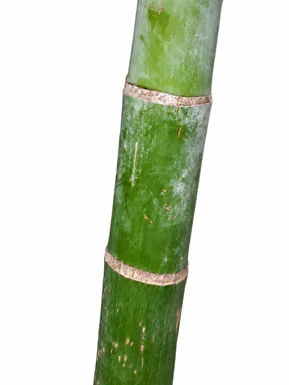
Bark
Stems smooth, cane-like, up to about 7.5 cm in diameter, greyish-green to yellowish, ringed with prominent leaf scars like bamboo.

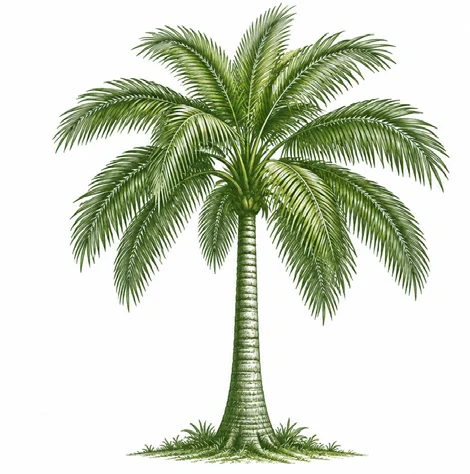
Syn. Dypsis lutescens
Stems smooth, cane-like, up to about 7.5 cm in diameter, greyish-green to yellowish, ringed with prominent leaf scars like bamboo.
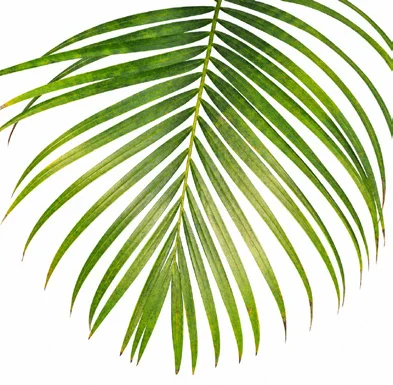
Leaves are pinnately compound, arching, 1.6–2.5 m long, with 40–60 pairs of narrow leaflets held in a V shape; leaf stalk and midrib distinctly yellow.
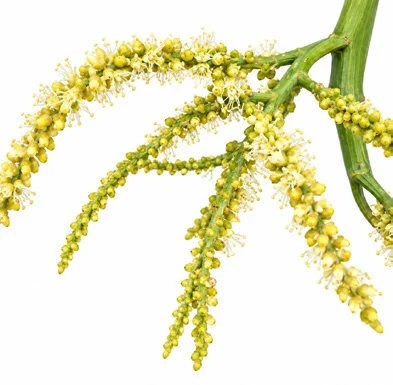
Inflorescences branched, arising below the leaves; flowers small, yellow, unisexual, with male and female flowers on the same inflorescence.
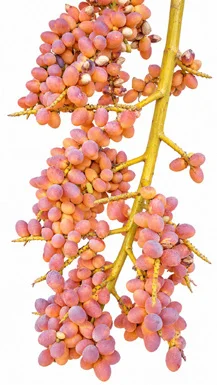
Fruits ovoid to oblong, about 1.7–2.5 cm long, ripening from yellow to purplish-black; one seed per fruit.
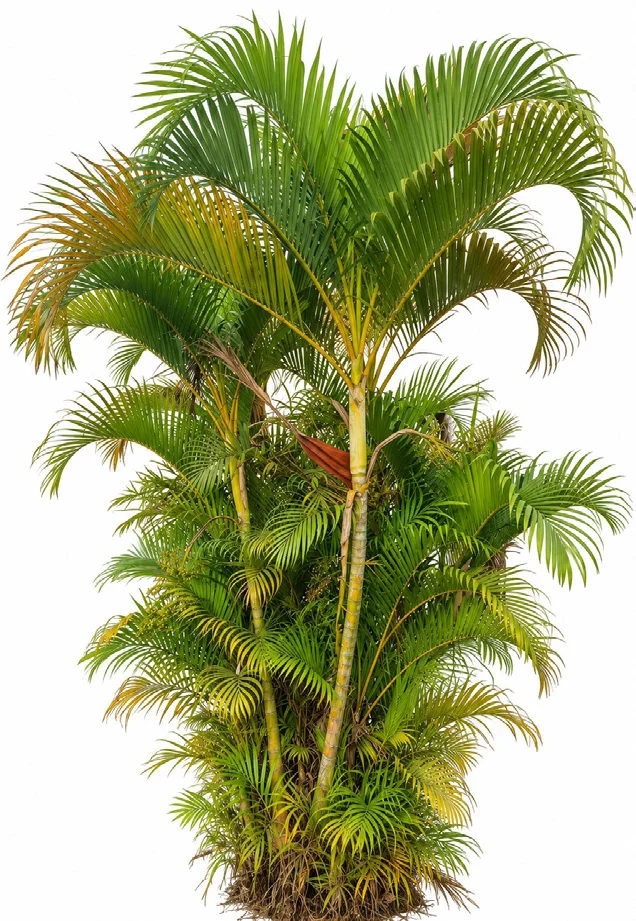
The epithet lutescens means “yellowish”, after its yellow stems and leaf stalks. It is one of the most commercially important indoor palms in the world. In Madagascar its leaf fibre was once used to make fishing nets.
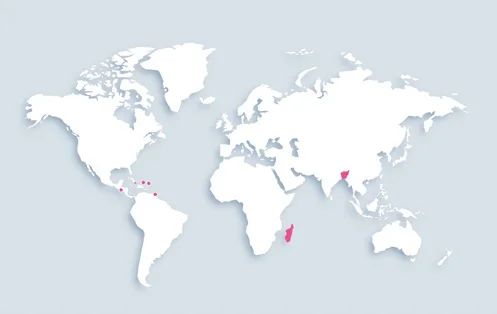
Madagascar, Andaman Is., Assam, Bangladesh, Comoros, Dominican Republic, El Salvador, Haiti, Jamaica, Leeward Is., Puerto Rico, Réunion, Trinidad-Tobago, Venezuelan Antilles.