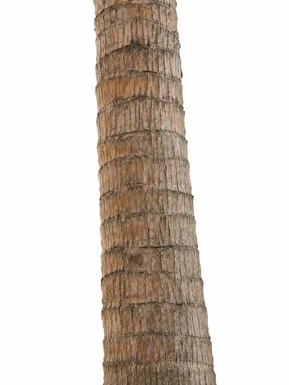
Bark
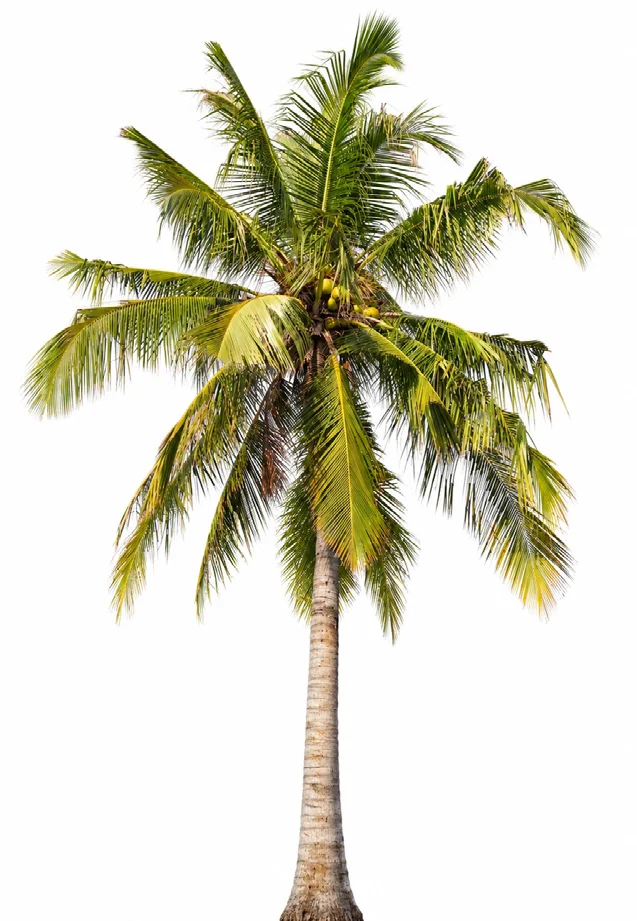
Trunk grey to brown, smooth when young and becoming marked with prominent leaf-scar rings as it matures; no true bark as in woody trees.


Syn. Calappa nucifera, Palma cocos
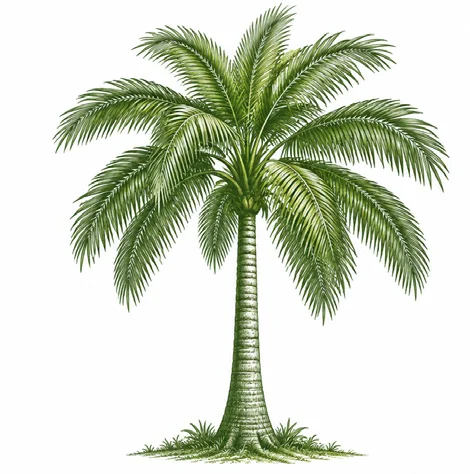
Trunk grey to brown, smooth when young and becoming marked with prominent leaf-scar rings as it matures; no true bark as in woody trees.
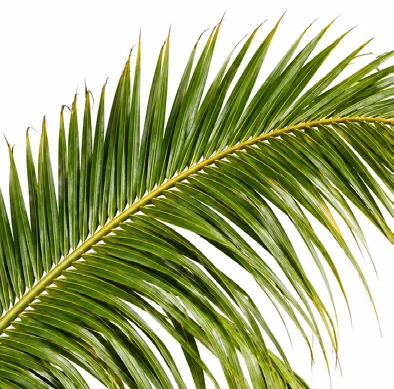
Pinnate leaves 4-6 m long, pinnae 60-90 cm long; old leaves break away cleanly leaving the trunk smooth.
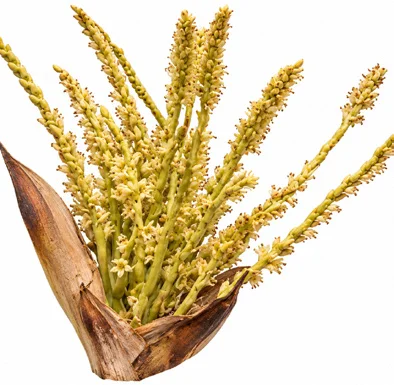
The flowers of the coconut palm are polygamo-monoecious, with both male and female flowers in the same inflorescence. Flowering occurs continuously, with female flowers producing seeds.
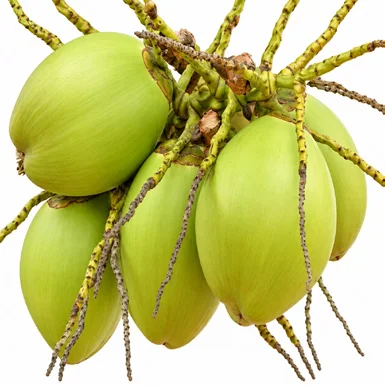
Fruit is a large, one-seeded fibrous drupe, 15–30 cm in diameter. It has a smooth green, yellow, orange, or brown outer skin (exocarp), a thick fibrous husk (mesocarp).
Cocos is a lonely genus; C. nucifera is its sole living species, with no other surviving sister species in the wild. 16th-century sailors named the genus after the Portuguese word coco (“grinning face” or “mask”) because the three dark indentations on a coconut shell look like eyes and a mouth.
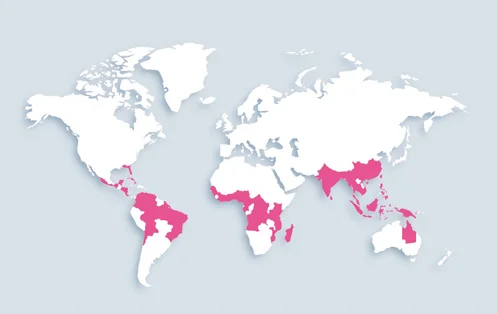
Central Malesia to South West Pacific.