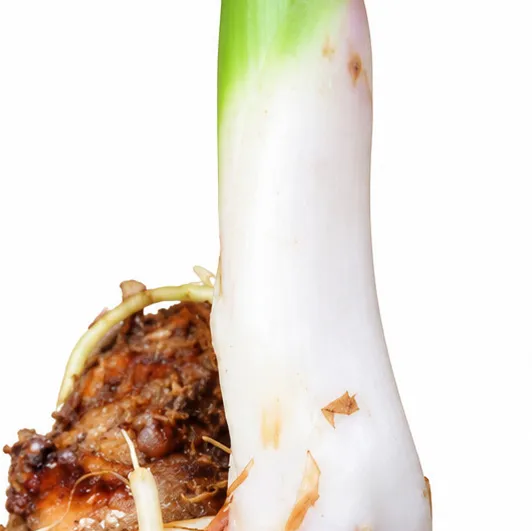
Bark
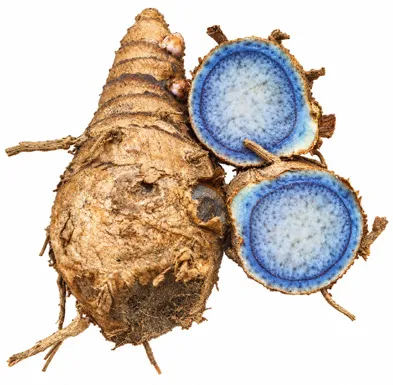
The plant has an underground, tuberous rhizome with a dark brown to bluish-black outer surface and bluish interior.


Syn. Curcuma kuchoor
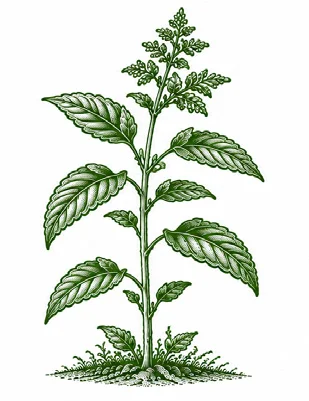
The plant has an underground, tuberous rhizome with a dark brown to bluish-black outer surface and bluish interior.
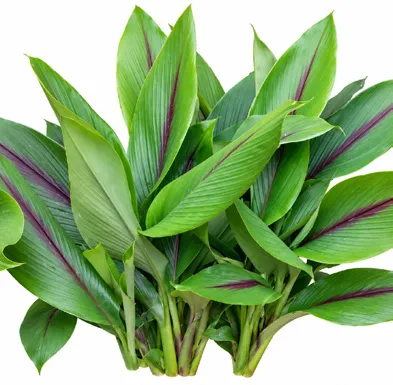
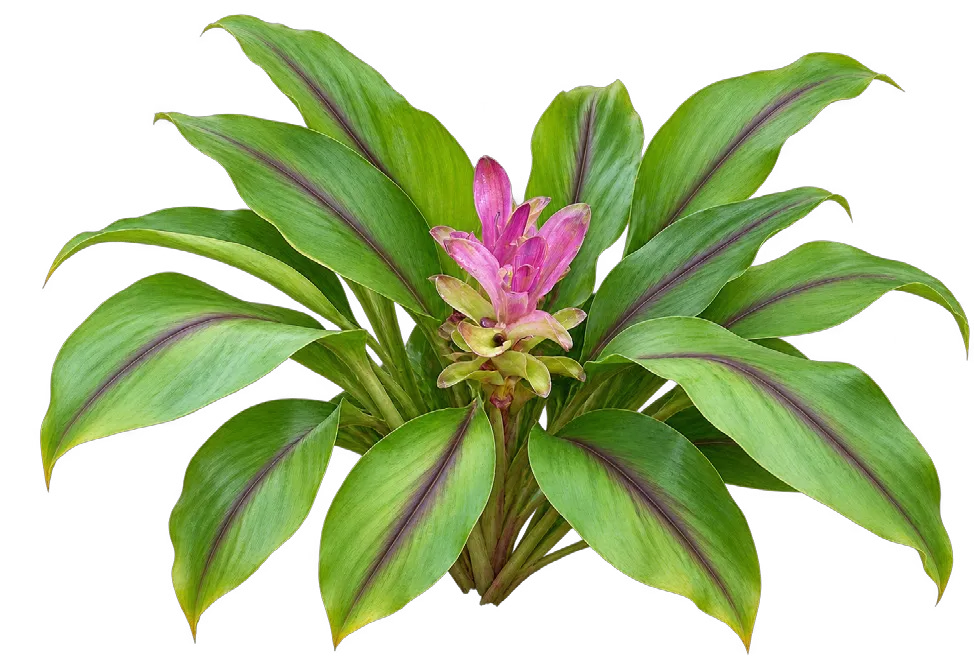
The leaves have a deep violet-red patch which runs through the length of the lamina. Usually, the upper side of the leaf is rough, velvety, but this character may vary.
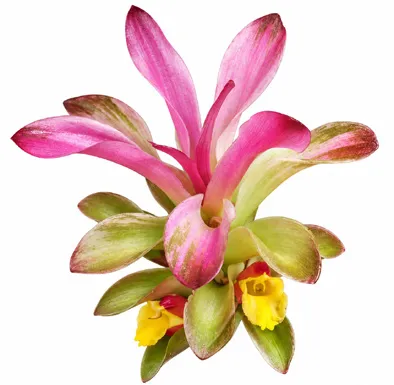
Flowering bracts are green with a ferruginous tinge. Flower petals may be deep pink or red in color. The rhizome is bitter, hot taste with pungent smell.
Fruit is a capsule containing seeds; fruits mature after flowering.
Despite being called “black” turmeric, a fresh cross-section of the rhizome reveals a vibrant, deep bluish-purple core. The color is naturally occurring and stems from a high concentration of anthocyanins (ranging from 1.3% to 7.14%).

India to Bhutan and Bangladesh