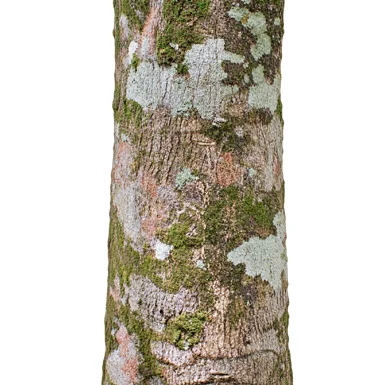
Bark
Bark 8-10 mm thick brown, mottled with grey; blaze red.


Syn. Elaeocarpus malabaricus
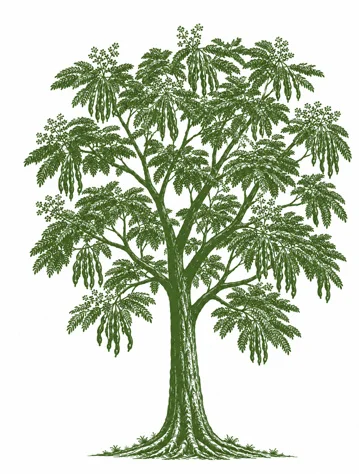
Bark 8-10 mm thick brown, mottled with grey; blaze red.
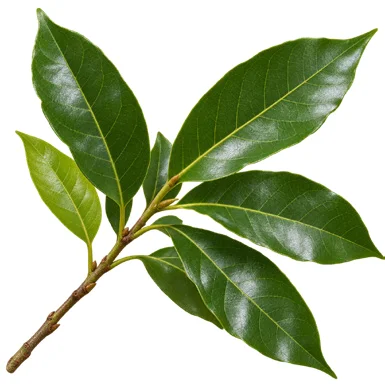
Leaves are simple, alternate; leaf-stalk 15-40 mm, slender, velvet-hairy.
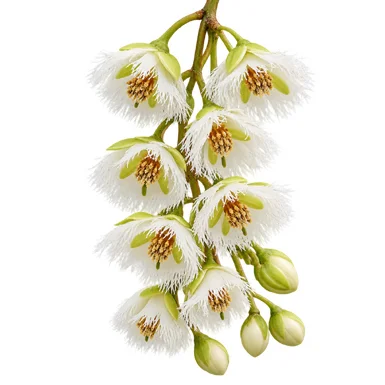
Bisexual, white, axillary clusters up to 8 cm long, with five hairy sepals, deeply divided petals, numerous stamens, and a woolly, three-chambered ovary.
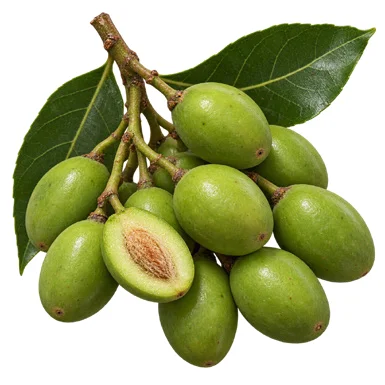
Fruit a drupe, subspherical, green, style persistent; stone tubercle; seed one.
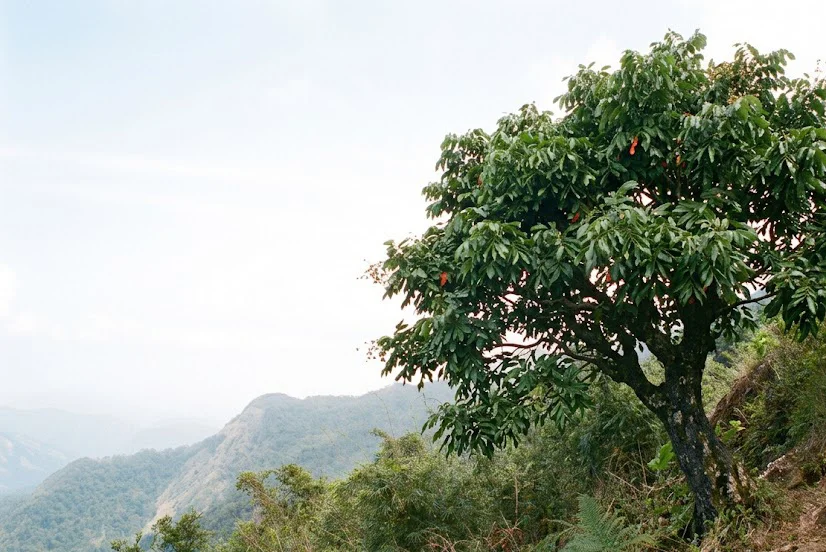
Its fallen sweet-sour fruits provide an important food source for the elusive Brown Palm Civet, a nocturnal mammal endemic to the Western Ghats.

W. & S. India, Sri Lanka, Assam to Bangladesh, Caroline Is., Mauritius, Sumatera