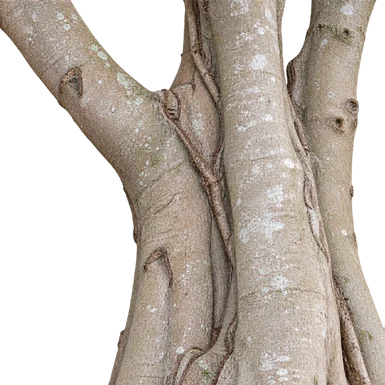
Bark
Greyish to brownish; young branches may be hairy. Aerial roots are commonly produced, particularly in plants growing epiphytically.


Syn. Ficus gibbosa
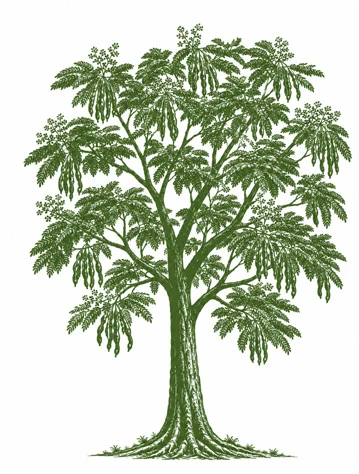
Greyish to brownish; young branches may be hairy. Aerial roots are commonly produced, particularly in plants growing epiphytically.
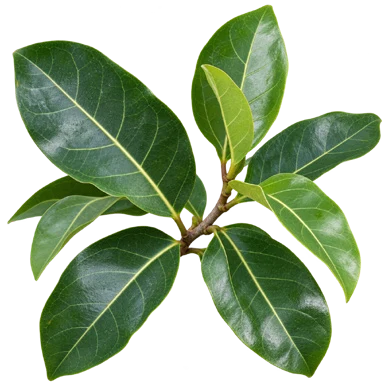
Alternate, ovate, up to 18 × 9 cm, glossy dark green above, pale green beneath, often asymmetrical, with rounded apex and base and thick petioles up to 1.5 cm.
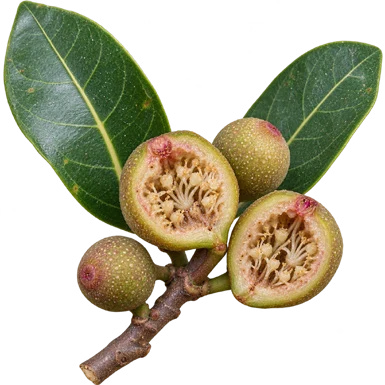
Flowers minute and unisexual, enclosed within the fleshy syconium (fig). Male, gall and female flowers develop inside the receptacle.
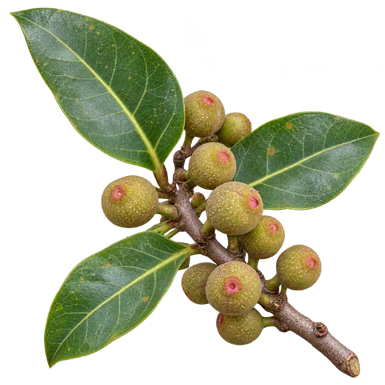
Fruit is a fig, appearing in leaf axils, usually paired, round, to 1.5 cm, ripening through orange to red or purple.
The species name tinctoria means “used for dyeing” in Latin, referring to its latex, traditionally used to dye cloth yellow, while its fruits yield red to purple sap.
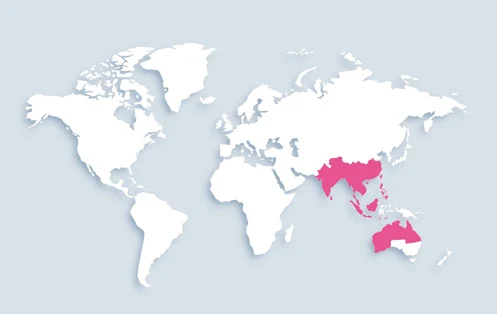
Himalaya to S. China and Lesser Sunda Islands (Bali)