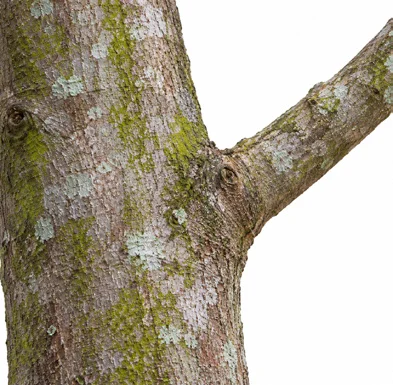
Bark
Bark is dark brown; blaze red. Branchlets are round, hairless. Sap is white, profuse.


Syn. Ficus tsjahela
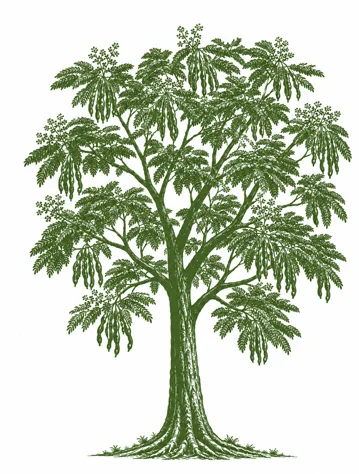
Bark is dark brown; blaze red. Branchlets are round, hairless. Sap is white, profuse.
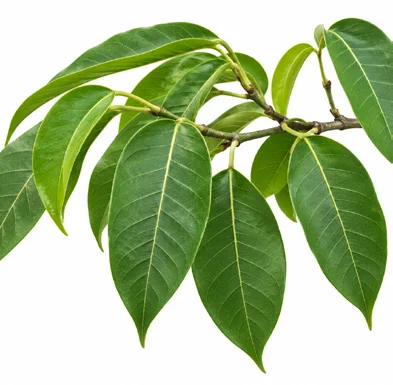
Simple, alternate, spiral, leathery, glossy, oblong to elliptic-oblong, up to 20 × 8 cm, with entire margins, rounded bases and three basal nerves.
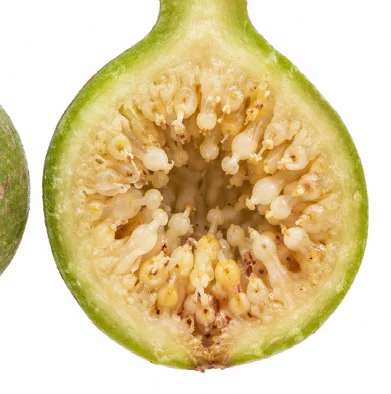
Unisexual, enclosed in sessile, depressed-spherical, fig-like structures, clustered in groups of 2–6 on short axillary tubercles or fallen-leaf scars.
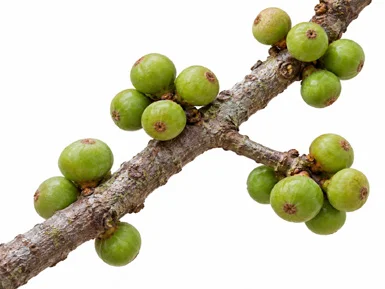
Figs are stalkless, about 0.5 cm across, greenish; achenes smooth.
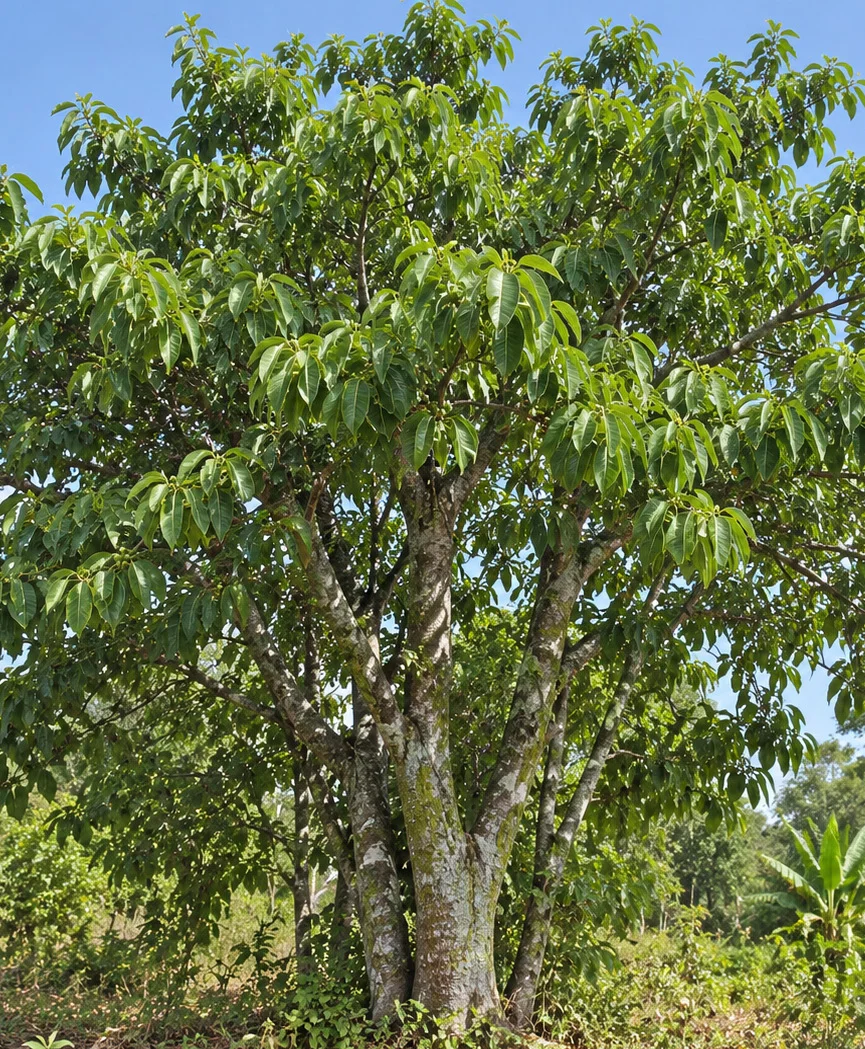
Young, tender spring leaves are traditionally harvested and cooked as a seasonal vegetable in rural India.

Southern Pakistan to Indo-China, Sri Lanka.