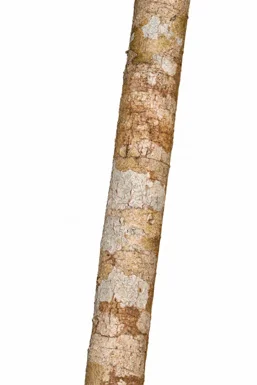
Bark
Smooth, grey to light brown on older stems; young branchlets green and glabrous.


Syn. Gardenia augusta
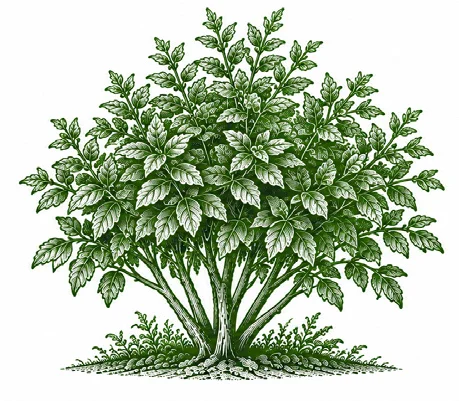
Smooth, grey to light brown on older stems; young branchlets green and glabrous.
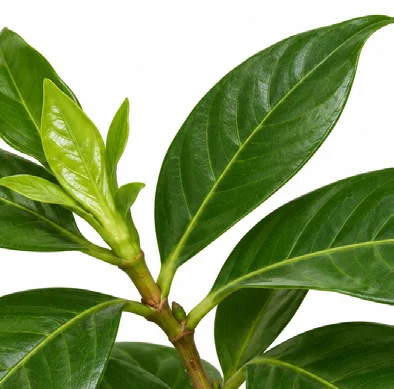
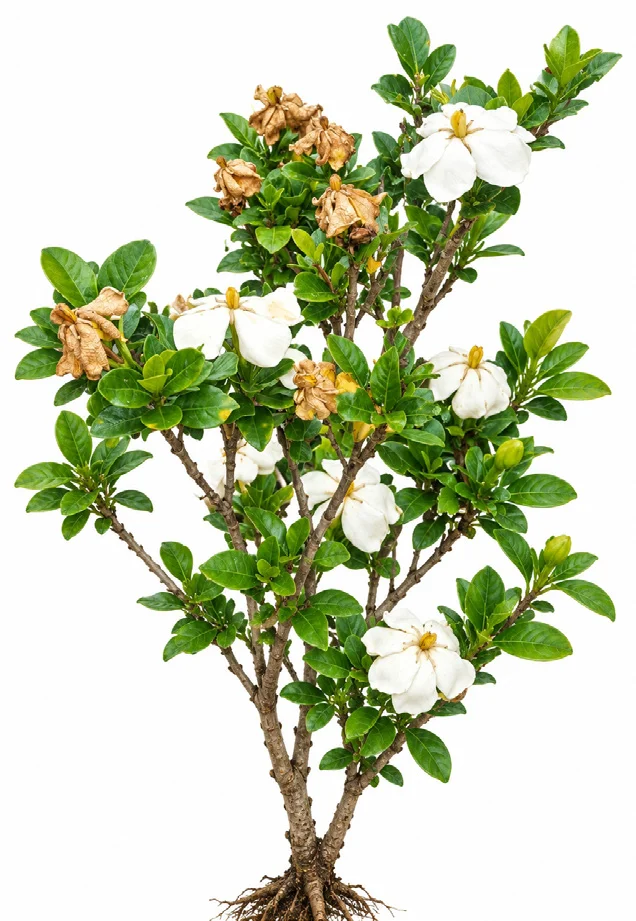
The leaves are elliptic-oblong, glossy and leathery. Mature shrubs usually look round, and have a medium texture. It blooms in mid-spring to early summer over a fairly long season.
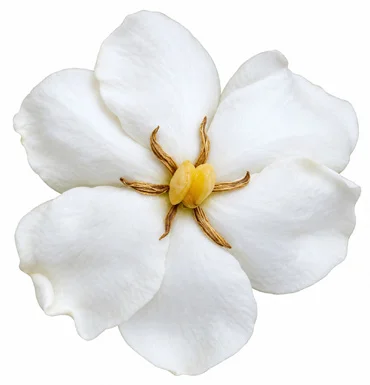
The flowers are white, turning to creamy yellow as they age, and have a waxy feel. Wild plants have single flowers, and cultivated forms include double-flowered varieties.
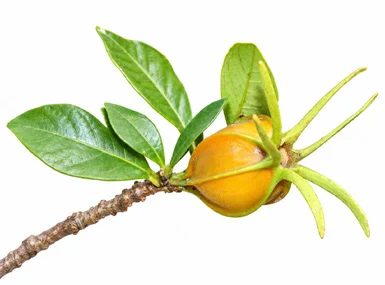
An ovoid to ellipsoid, ribbed berry 2–4 cm long, green when immature and turning orange to reddish-orange when ripe; contains numerous small seeds embedded in a fleshy pulp.
The genus was named by botanist John Ellis in honor of Dr. Alexander Garden (1730–1791), a Scottish-born American physician and naturalist living in Charleston, South Carolina.

East Himalaya to Central & South China and Indo-China, South Central & South Japan.