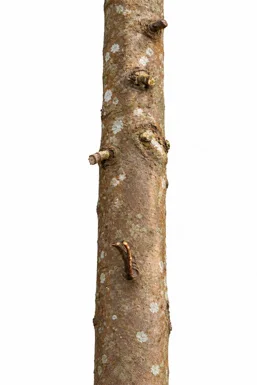
Bark
Bark 0.65 cm, greyish-brown, smooth, molted with brown and white.


Syn. Podocarpus wallichianus
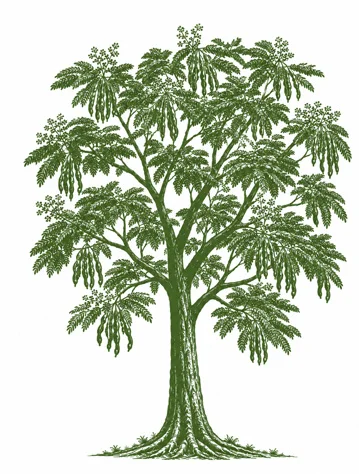
Bark 0.65 cm, greyish-brown, smooth, molted with brown and white.
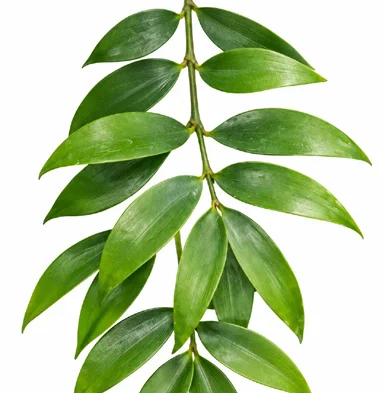
Leaves simple, opposite or subopposite, estipulate; petiole 5 mm, short, flat, glabrous; linear-lanceolate or ovate-lanceolate; base acute; apex acute.
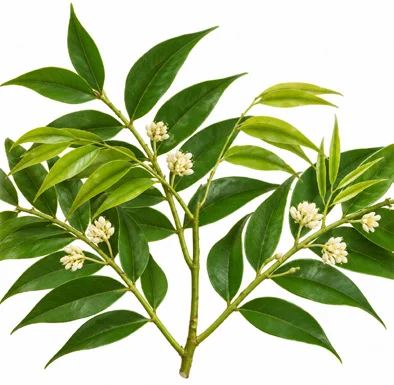
Pollen cones 0.85 cm long, borne in axillary clusters of 2–5; bracts imbricate; anthers sessile and spirally arranged; scales ovate-acuminate. Seed cone solitary, with a pedicel about 1.3 cm long.
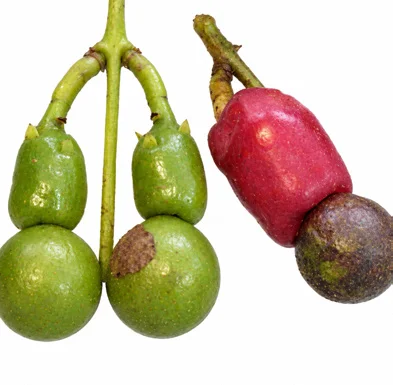
Seed ovoid, 2.5 cm, seated on fleshy receptacle solitary, subglobose.
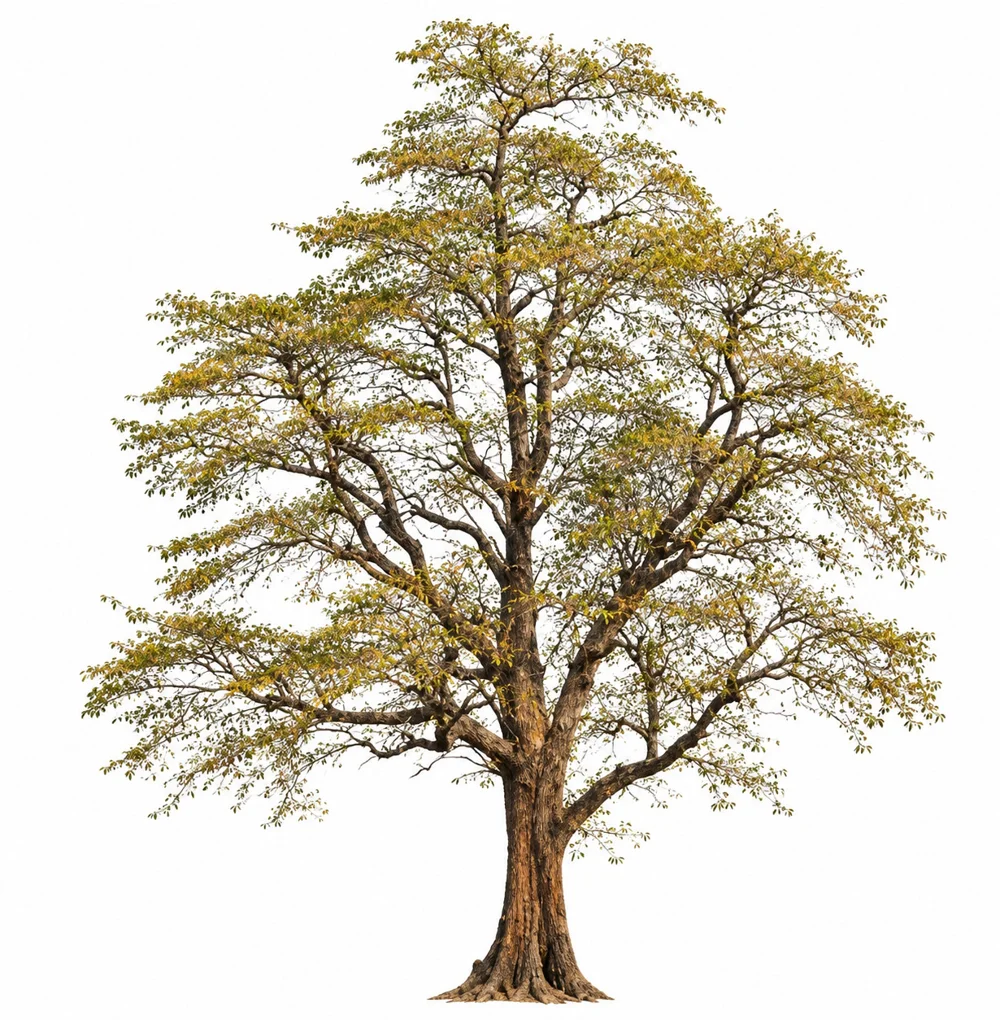
In local Indian folklore (particularly in the regions of Kerala), local forest communities traditionally associate Nageia wallichiana (locally known as Nirampali).
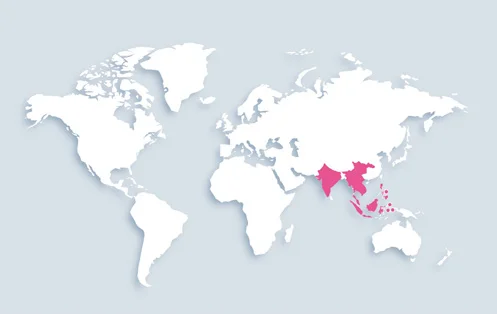
SW. India, Assam to China (Yunnan) and Malesia