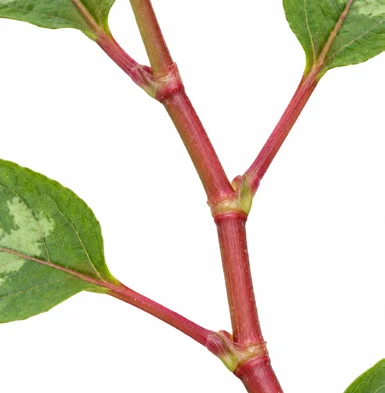
Bark
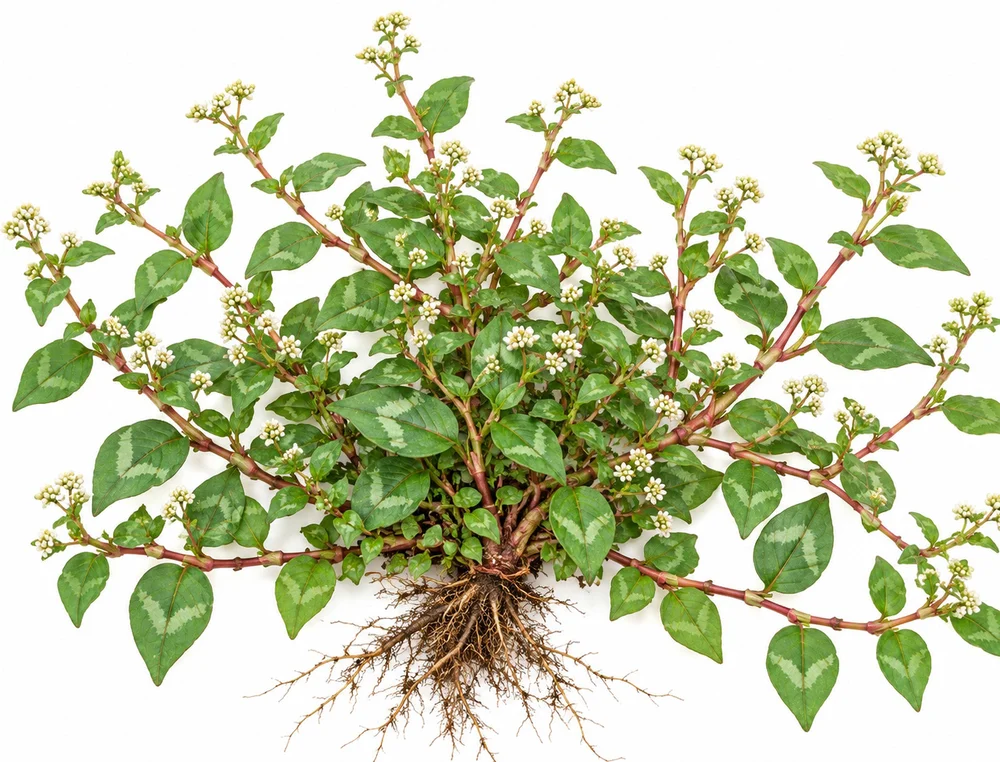
Nodes prominent, stem reddish, glabrous, spineless.


Syn. Polygonum chinense
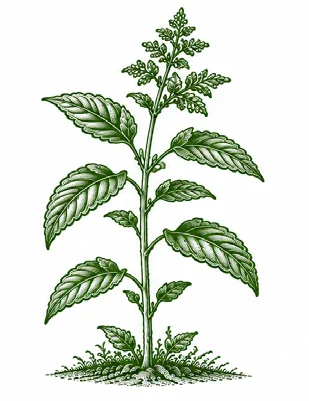
Nodes prominent, stem reddish, glabrous, spineless.
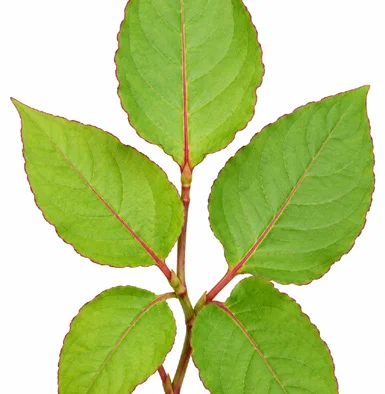
Alternately arranged ovate-oblong leaves are 5-10 cm long, 3 cm wide, midrib violet-red colored, upper surface of leaf with inverted “V” shaped spot.
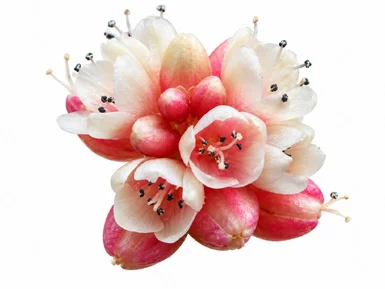
Flowers are small, white or light reddish in color, arranged in heads (capitate); inflorescence axillary. Calyx 5, enlarging when fruiting, transparent to white.
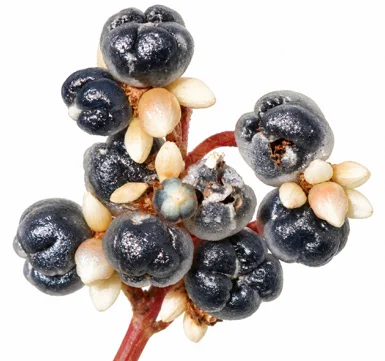
The fruit is a trigonous nut (achene) enclosed by fleshy tepals. Also, the tepals turn dark purple or bluish in fruit. Seeds small, black, fruits edible, sour tasting.
The generic name ‘Persicaria’ is derived from the Latin persica (peach), referring to the peach-like leaves of many species in the genus, while the specific epithet chinensis means “from China,” indicating the region from which the species was originally described. Thus, Persicaria chinensis literally means “the Chinese peach-leaved knotweed.”
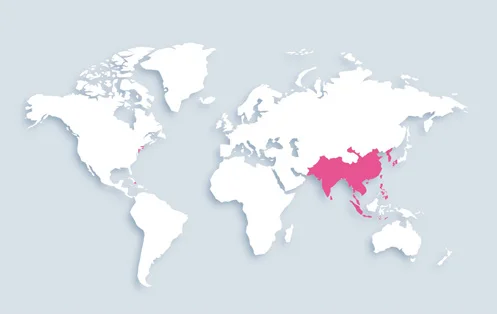
Tropical & Subtropical Asia.