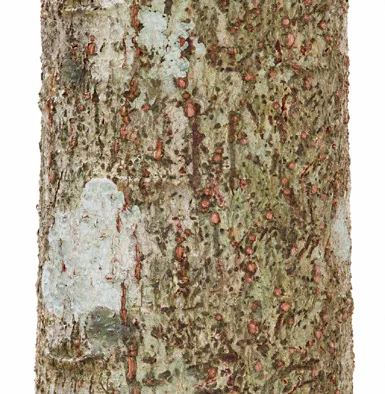
Bark
Light grey to brownish-grey. Smooth in young trees, becoming slightly rough or fissured with age. Thin bark with numerous lenticels.


Syn. Averrhoa acida
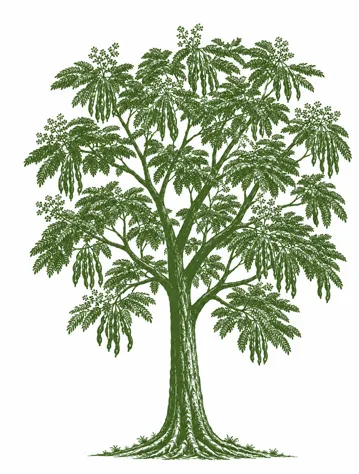
Light grey to brownish-grey. Smooth in young trees, becoming slightly rough or fissured with age. Thin bark with numerous lenticels.
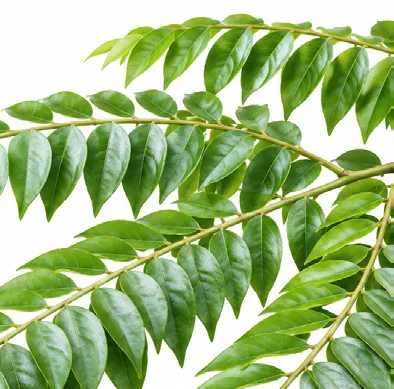
Leaves are compound, 14-25 inches long, crowded at the ends of the branches leaflets 2-3.5 inches long by 1-1.5 inches wide, alternately arranged along the rachis.
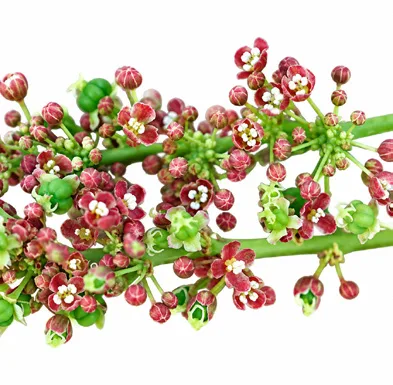
Flowers are very minute, in short dense spike-like clusters arising from nodules along the branches, like mulberries.
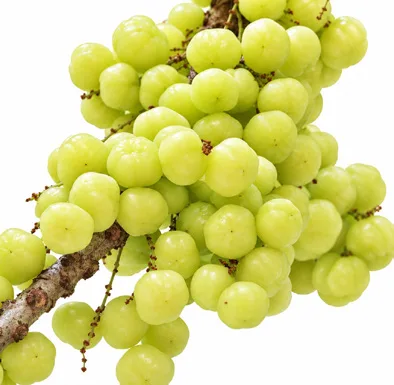
Fruit is pendulous, in small clusters from the branches, round or slightly flattened at the poles, with shallow or deep ribs (usually 5) 0.75 inch across.
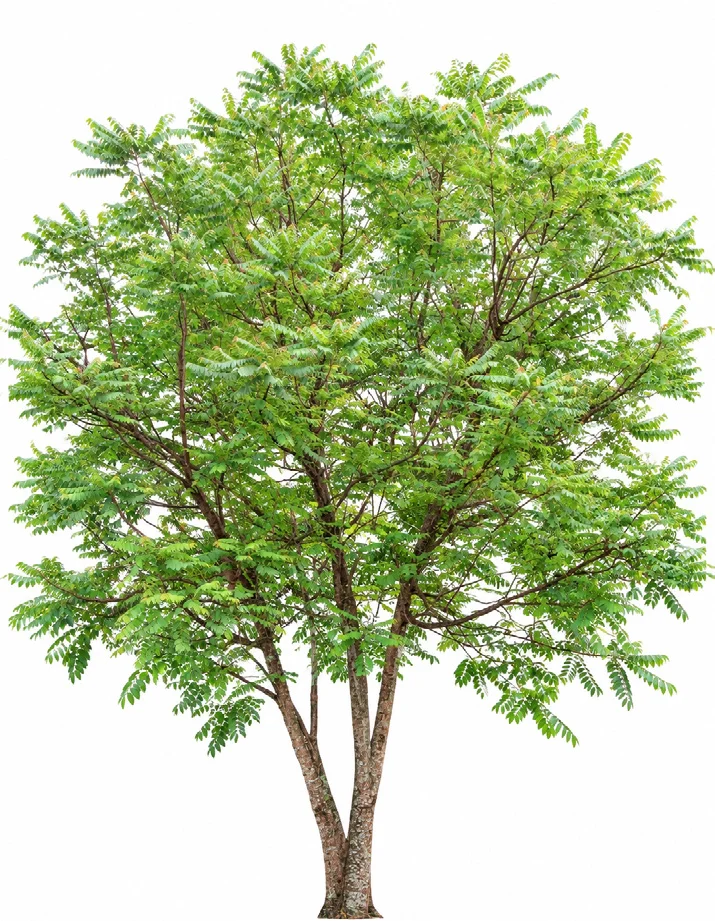
The genus name Phyllanthus is derived from Greek words meaning leaf-flower, an allusion to the apparent bearing of flowers on the leaves. The species name acidus is on account of the acidity of the fruit.

Malay Islands and Madagascar and grown in India