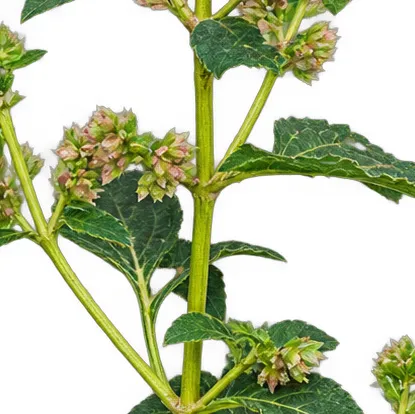
Bark
Smooth, dark purple to greenish-brown bark covering square-shaped (quadrangular) branches that are often covered in fine, soft hairs.


Syn. Origanum benghalense
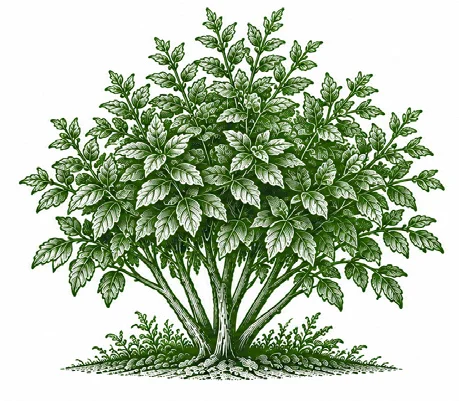
Smooth, dark purple to greenish-brown bark covering square-shaped (quadrangular) branches that are often covered in fine, soft hairs.
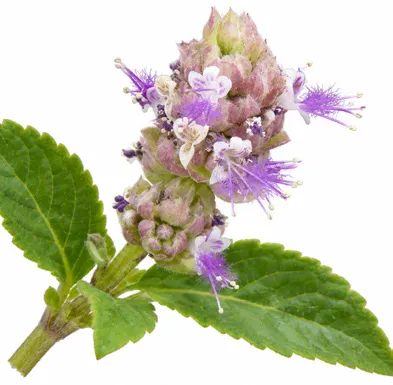
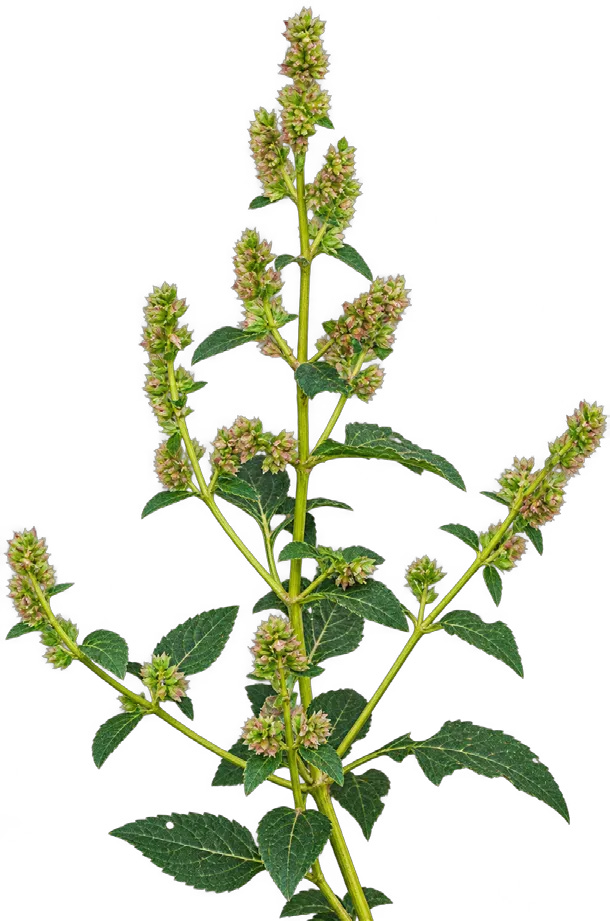
Simple, opposite, ovate-lanceolate leaves (7–15 cm long) with coarsely double-toothed margins, emitting a strong, distinct patchouli-like scent when crushed.
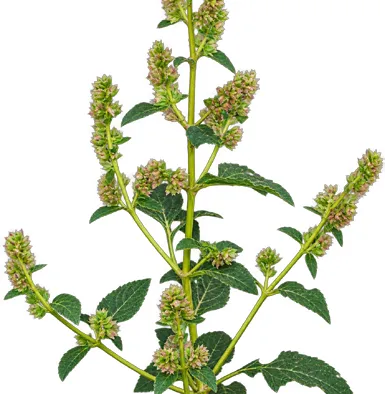
Tiny, pinkish-purple to white flowers packed into dense, fuzzy, candle-like terminal spikes, featuring long, projecting, hair-like stamens that give the cluster a feathery look.
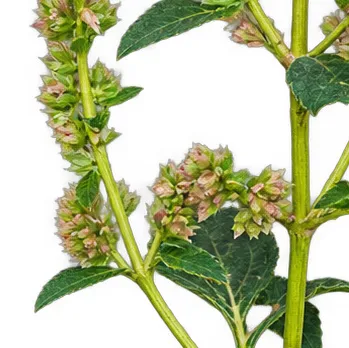
Small, smooth, ovoid nutlets (~1 mm) that dry out to turn dark brown or black, holding minute seeds
In traditional tribal medicine, crushed fresh leaves of Bengal Shrub-Mint are applied to cuts and wounds as a folk remedy believed to help control bleeding and protect against infection.

Indian Subcontinent to Indo-China