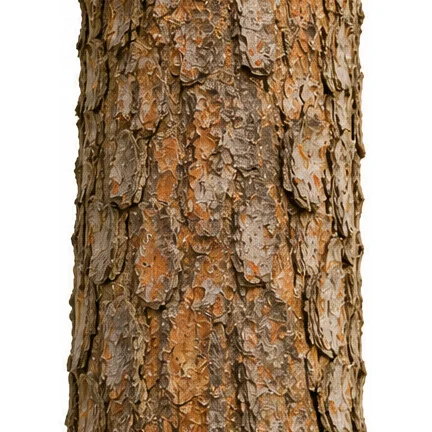
Bark
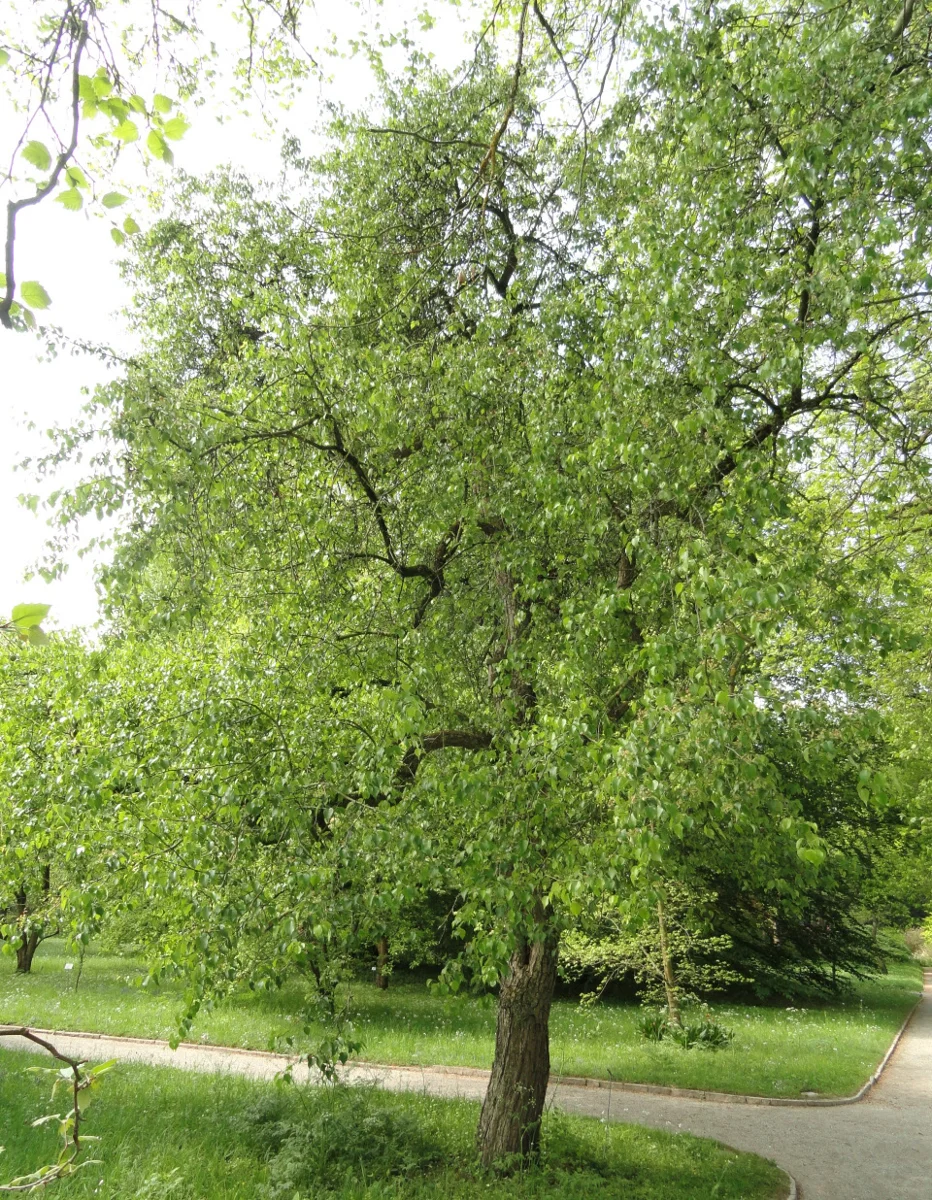
Grey to dark grey, coarse and rough; older branches may become dark and some branches are spiny.


Syn. Pyrus kumaoni
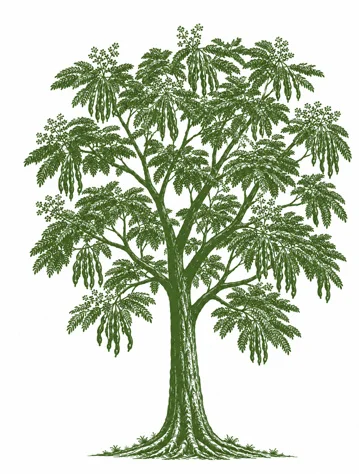
Grey to dark grey, coarse and rough; older branches may become dark and some branches are spiny.
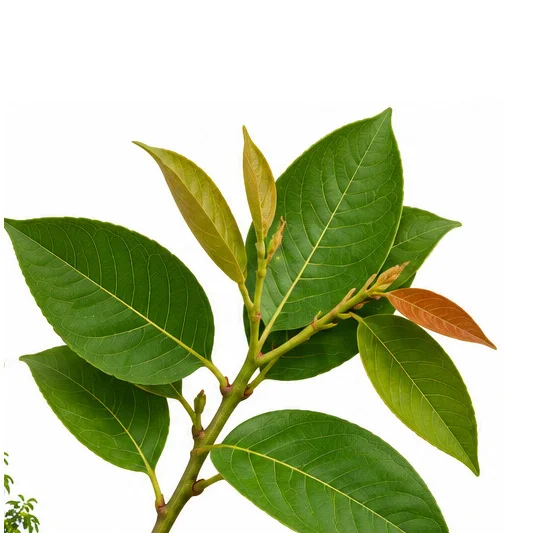
Leaves are ovate to broadly lance-shaped, long-pointed, toothed, hairless and shining. Leaves are 5-10 cm long, those on sucker shoots are often 3-5-lobed. Young leaves are white-woolly.
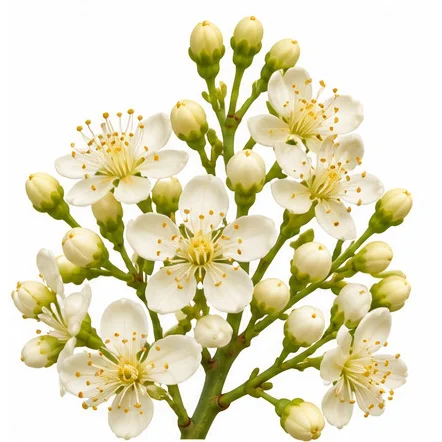
Flowers are 2-2.5 cm across, with white obovate petals with darker veins. Sepal cup is urn-shaped with spreading white-woolly sepals. Fruit is round, 1.3-2.5 cm, dark brown, covered with raised pores.
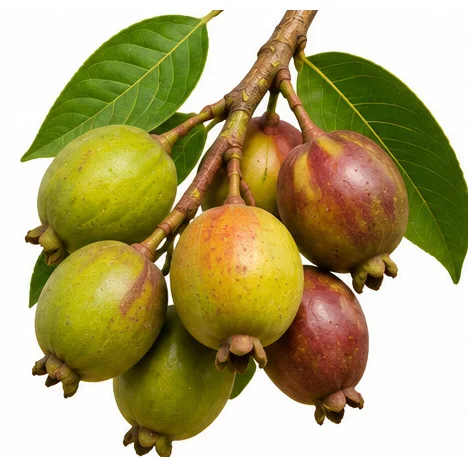
Fruit is edible when half-ripen.
Bark juice and mature fruits are traditionally used in northern India and Nepal to dye textiles and wool in earthy brown and charcoal-grey shades.
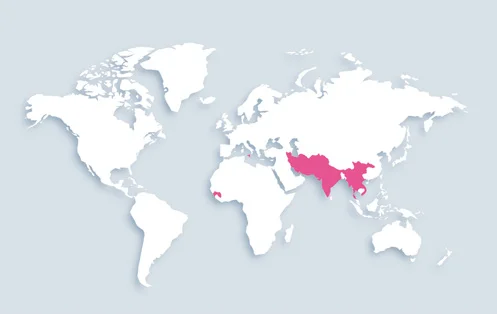
Iran to South Central China and Indo-China.