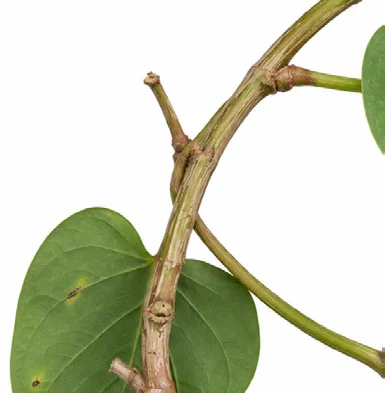
Bark
Stem woody, cylindrical, brownish-grey, becoming rough with age; young branches green and somewhat pubescent.


Syn. Convolvulus hypoleucus
Stem woody, cylindrical, brownish-grey, becoming rough with age; young branches green and somewhat pubescent.
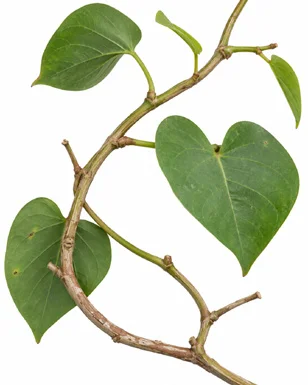
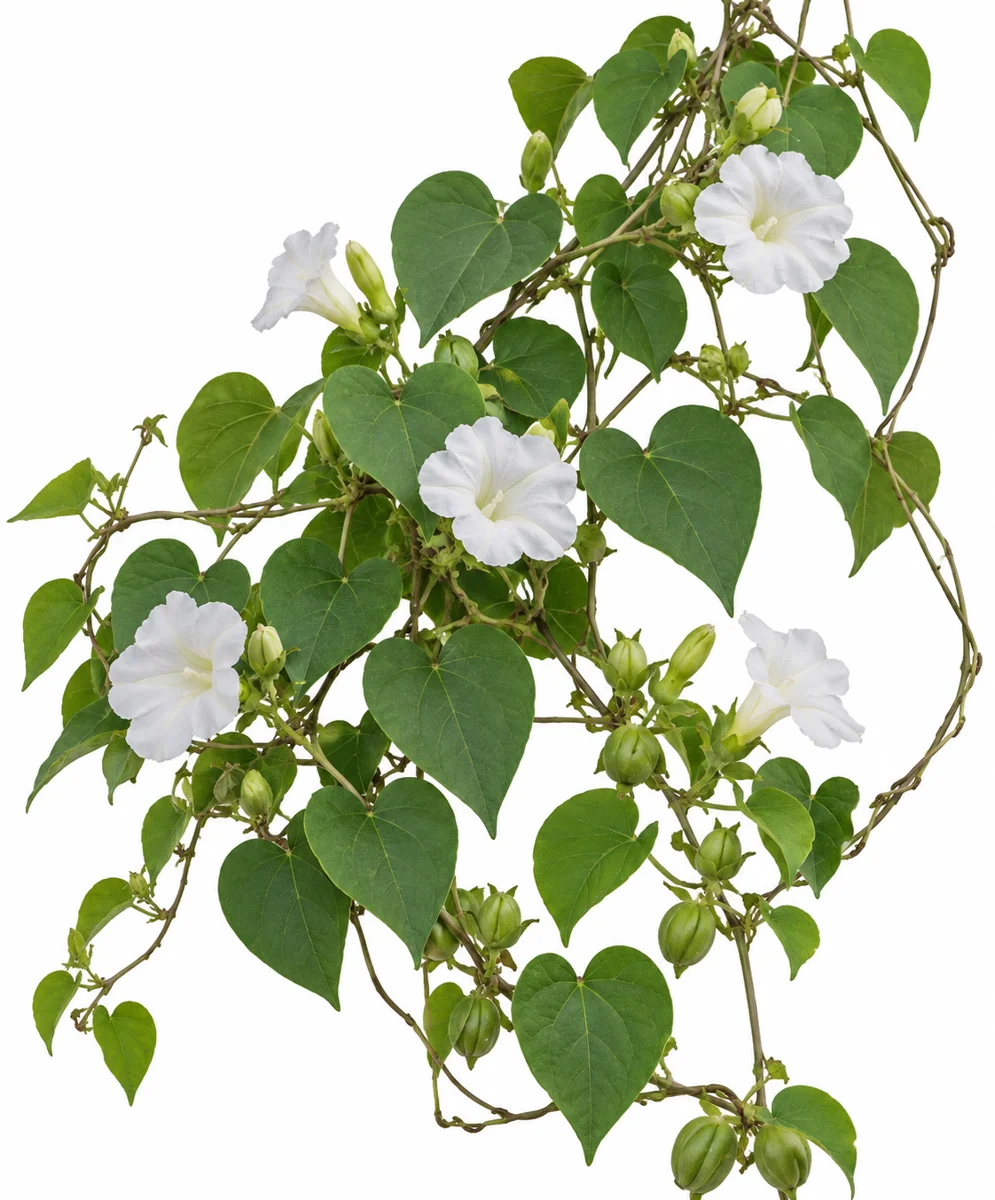
Leaves are rounded-heart-shaped, blunt apically, densely appressed velvet-hairy below.
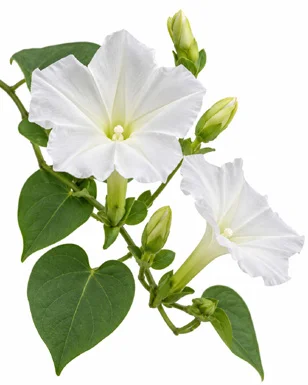
Flowers are creamy white, typical morning glory form, flat-faced, 6-9 cm long. Flowers usually solitary, occasionally sub-spicate. Sepals unequal, ovate, blunt apically, 10-12 mm long, densely short villose.
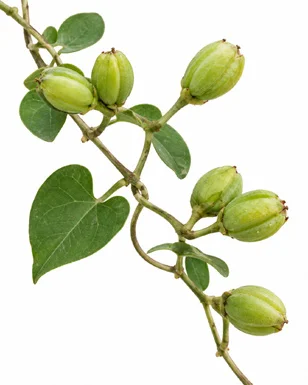
Fruit indehiscent or tardily dehiscent, dry-baccate, 2 cm long. Seeds brown, hairless.
In some traditional Indian medicinal practices, it has been used in women’s reproductive health, including historical preparations intended to prevent conception or interrupt early pregnancy. Such traditional uses should not be regarded as established or safe medical treatments.

Indian Subcontinent