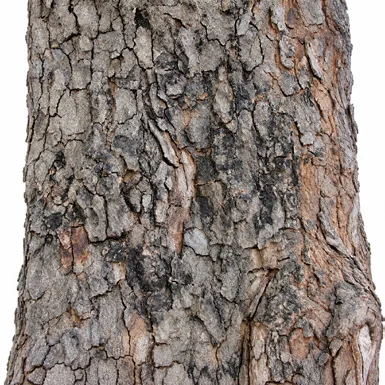
Bark
Rough and highly cracked. The surface can appear somewhat flaky or shaggy on older trees. Typically, gray-brown, dark brown, or blackish.


Syn. Tamarindus officinalis
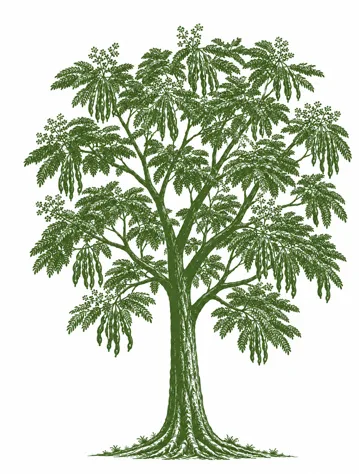
Rough and highly cracked. The surface can appear somewhat flaky or shaggy on older trees. Typically, gray-brown, dark brown, or blackish.
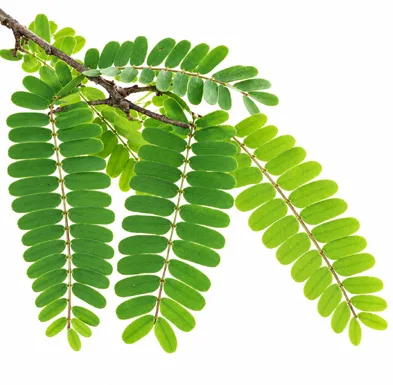
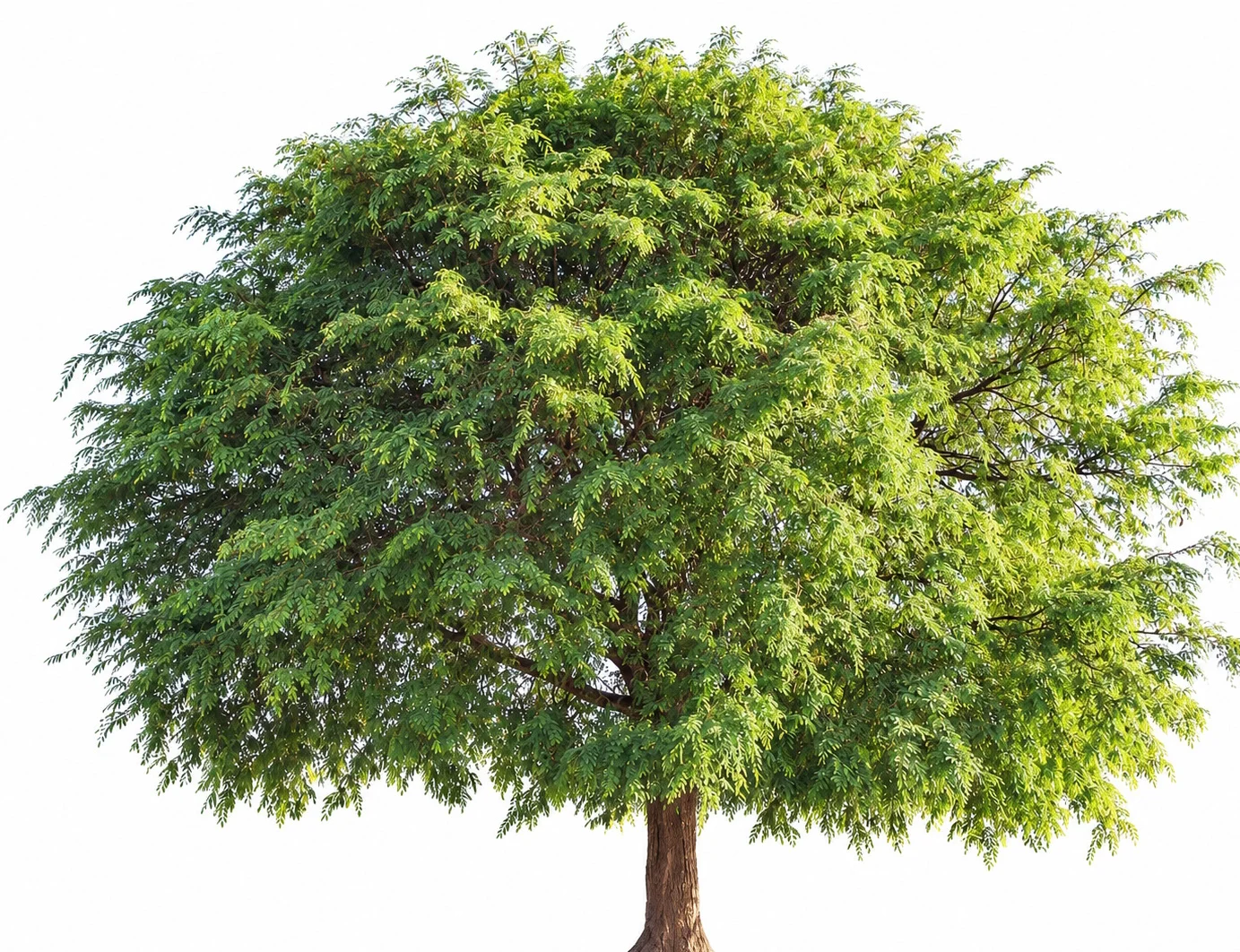
The leaves are about 10 in long with 10-18 pairs of 1 in oblong leaflets. Tamarind drops its leaves in pronounced dry seasons; in climates without a dry season, it stays evergreen.
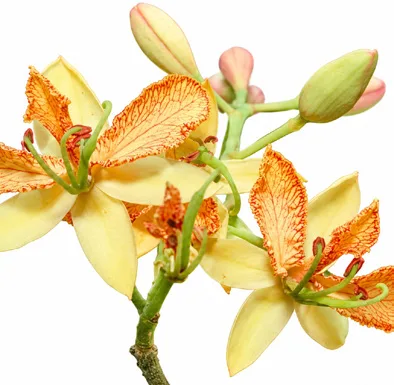
The flowers are about 1 in across, pale yellow with purple or red veins. They have five unequal lobes and borne in small drooping clusters.
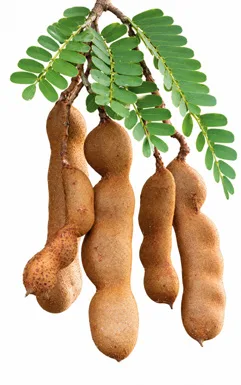
The velvety cinnamon brown pods are 2-6 in long, sausage shaped and constricted between the seeds.
From India, it reportedly spread to Persia and Arabia, where it was called “tamar hind” (Indian date), inspiring its common and scientific names.
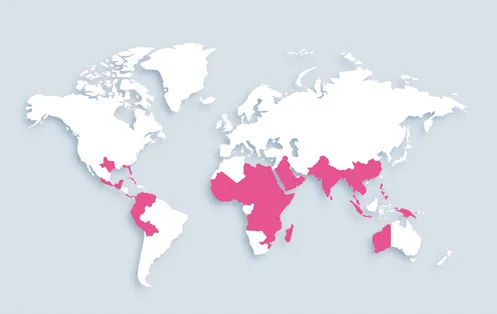
India, Tropical Africa, including Sudan and parts of the Madagascar