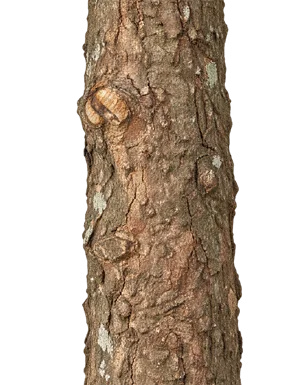
Bark
The bark is grey, smooth.


Syn. Olea dioica
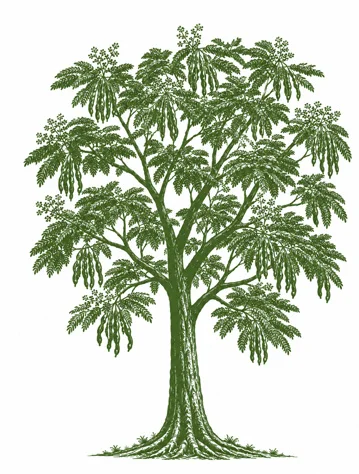
The bark is grey, smooth.
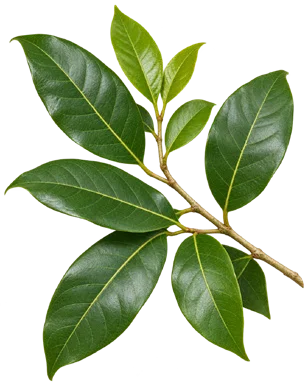
Oblong-elliptic, pointed at both ends, 7–12 cm long. Hairless, leathery, with margins either distantly serrate (with strong teeth) or entire.
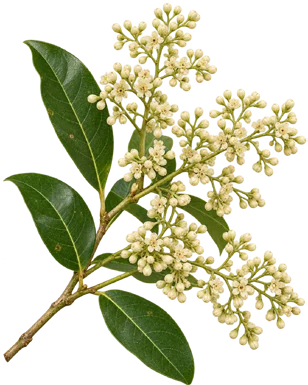
Small, greenish-white, sometimes pink-tinged, arranged in opposite panicles on leafless branchlets; calyx bell-shaped, about 1 mm long, corolla tube 2.5 mm, ending in four triangular lobes.
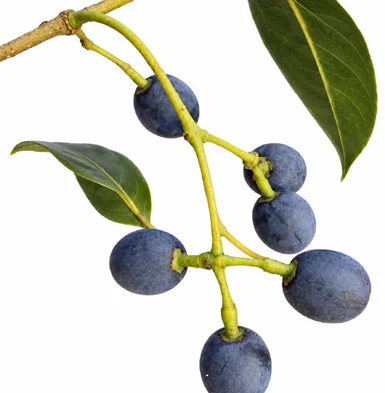
A small, fleshy, ellipsoid to subglobose drupe measuring roughly 8 × 6 mm, turning from green to a distinct purplish-black or deep blue when ripe.
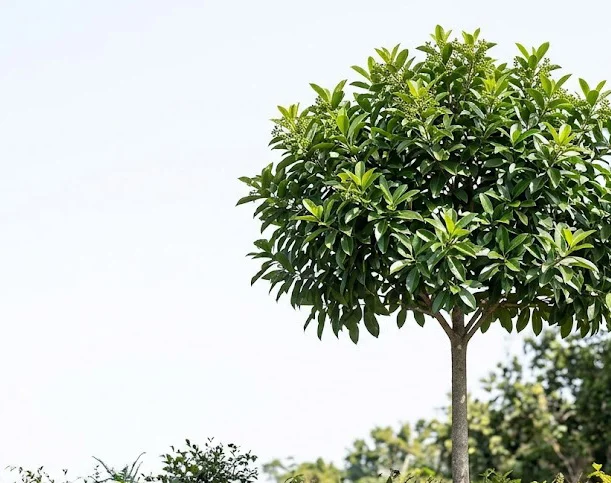
In southern India, Karivetti or Karivettimaram refers to its dark, charred-looking bark and mature branches; kari means “black” or “charcoal” in Malayalam and Tamil.

Indian Subcontinent to Myanmar