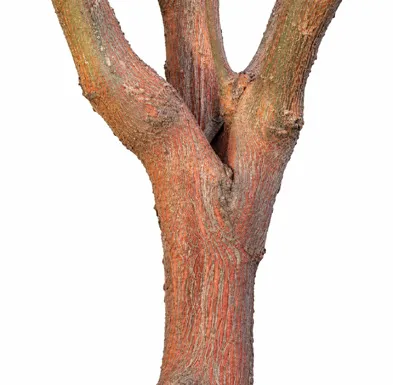
Bark
Typically rough, dark grey to greyish-brown on mature stems, with vertical cracks.


Typically rough, dark grey to greyish-brown on mature stems, with vertical cracks.
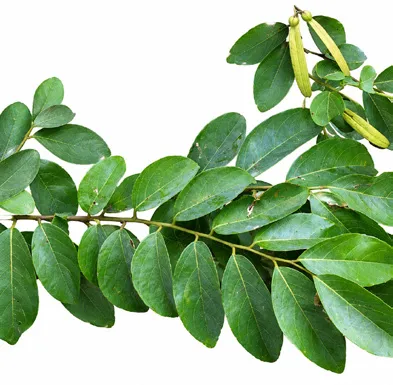
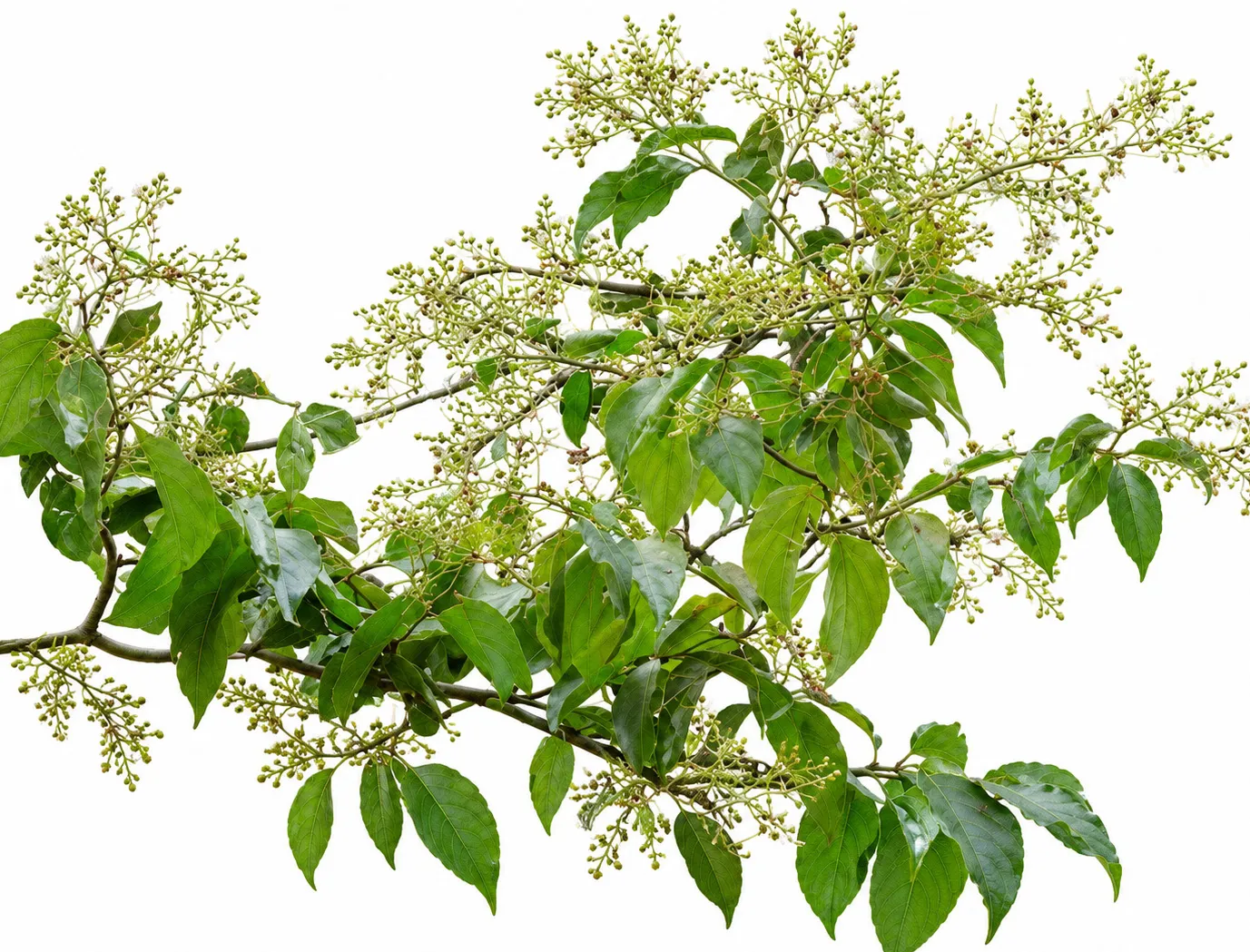
Leaves are variable - they can be circular to egg-shaped with an acute tip. Margins can be entire or serrated, and the surface can be smooth or finely velvety.
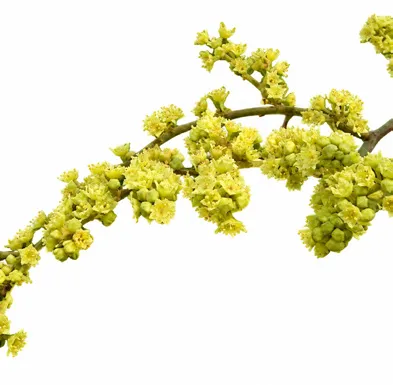
Small greenish-yellow flower are fascicled on leafless branches, with an offensive smell.
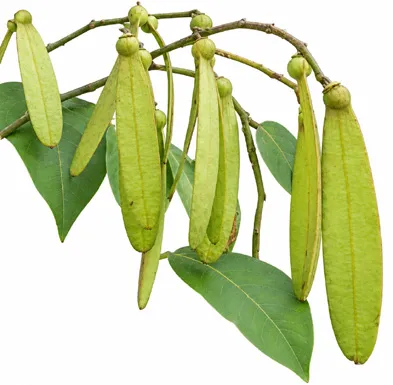
Fruit is 5-6 cm, densely velvety, a pea-sized part and an oblong wing, 0.9-1.1 cm wide, surrounded by sepal tube at base. Some fishermen used the long climbing stems as ropes.
Despite its name “Red Creeper,” the vine’s outer bark actually appears dark grey. The fascinating secret lies beneath the surface: the outer bark features deep vertical cracks that reveal a striking, bright vermillion (blood-red) inner layer.

India to China (S. Yunnan) and Indo-China, Jawa to Lesser Sunda Islands (Bali)